Ko wai au
Pepeha.
Ko Māhuhu-ki-te-rangi te waka.
Ko Tauwhare te maunga.
Ko Waipatukahu te awa.
Ko Kaipara te moana.
Ko Reweti te marae.
Ko Te Taoū te hapū.
Ko Ngāti Whātua te iwi.
Ko Annette Huitetangiora Davis tōku whaea.
Ko Brotindra Krishna Chatterji tōku pāpā.
Ko Ryan Gram tōku tāne.
Ko Cian, ko Naia, ko Coast, ko Riley āku tamariki.
Ko Niva Gram ahau.
Tēnā koutou, tēnā koutou, tēnā tātou katoa.
My mum, Annette Huitetangiora Davis, was adopted and raised within the Davis whānau of Reweti. That is the whānau and marae connection I was raised knowing. Through our biological whakapapa, we also descend from the Hohaia whānau of Taranaki.
Our biological whakapapa
Ko Taranaki te mounga.
Ko Aotea te waka.
Ko Waiaua te awa.
Ko Ōrimupiko te marae.
Ko Taranaki te iwi.
Ko Ngahina, arā ko Ina Hohaia, tōku kuia.
I am still learning and verifying the finer detail of this whakapapa, so I have left the hapū unnamed until that connection is confirmed.
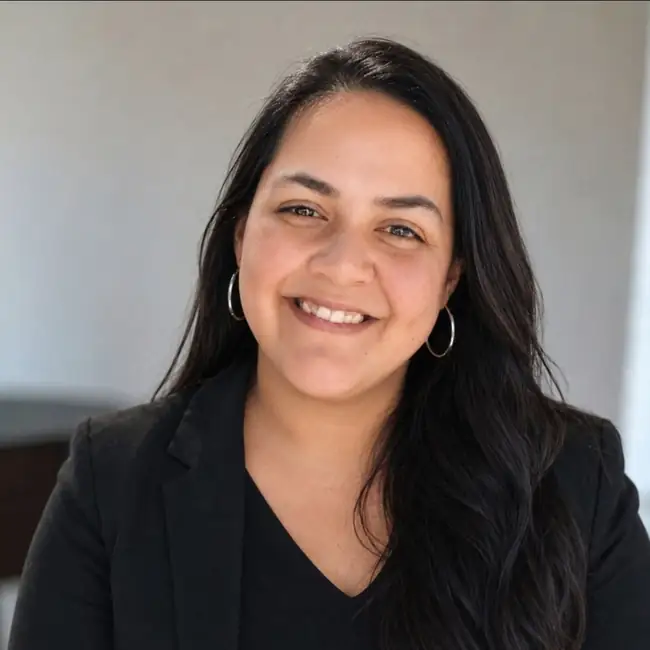
Kia ora, I’m Niva.
I have always loved learning. I grew up in South Auckland and later West Auckland, and I was the kid who loved books, ideas, computers and finding things out. My formal education did not follow a straightforward path. I left school very young because of circumstances outside my control — not because I lacked interest in learning or ambition for my future.
For a long time, education became something I kept trying to find my way back to. As an adult I returned to study and built qualifications across business administration and technology, small business, te reo Māori and office support. I have also studied within the legal field. None of it happened in one neat line, but each step helped rebuild something that had been interrupted much earlier.
Learning from both sides of education
My working life has brought me back to education from different angles. I have worked in education support, pastoral support and learning environments, as well as in technology. Those experiences helped shape one of the ideas that now sits at the centre of Iconic Games: being capable of learning and being able to engage with the way something is being taught are not always the same thing.
Some learners can sit, listen, read and write and thrive. Others need to move, make decisions, hear something, see it, interact with it, practise it repeatedly or understand why it matters before it clicks. When the method changes, the learner can change too.
Teaching myself to build
Much of my technology knowledge has been self-taught. I learn by researching, testing, building, making mistakes and trying again. That has grown into websites, browser games, interactive learning resources, prototypes and larger ideas for what game-based education could become.
I do not come to this mahi pretending to have every answer. I come to it as someone who has experienced disrupted education, returned to learning as an adult, worked alongside learners, raised children of my own, and become increasingly convinced that education needs more than one doorway.
Whānau is part of the reason
I am a wife and a mum of four, and my whānau has shaped the way I think about learning just as much as my own experiences have. Watching different people respond completely differently to the same information reinforces what I have seen again and again: there is no single perfect way to teach every person.
I am Māori and Indian. My dad, Brotindra Krishna Chatterji, came to Aotearoa from India in the 1980s, while my connection through Mum grounds me here through Māori whakapapa and whānau. Both are part of who I am.
Why Iconic Games
Iconic Games is where all of those threads meet: my love of learning, my interest in technology, my experience around education, my whānau, and my belief that something being difficult to access does not mean somebody is incapable of learning it.
I want to build more ways in. More ways to practise. More ways to understand. More chances for somebody to discover that they are not “bad at learning” — they may simply need a different way to engage with it.
That is the part of this work that matters most to me.