The base word carries the main meaning.
protect
protect means to keep something safe. TERM 2 · WEEK 4
Ocean Protection
ENGLISH
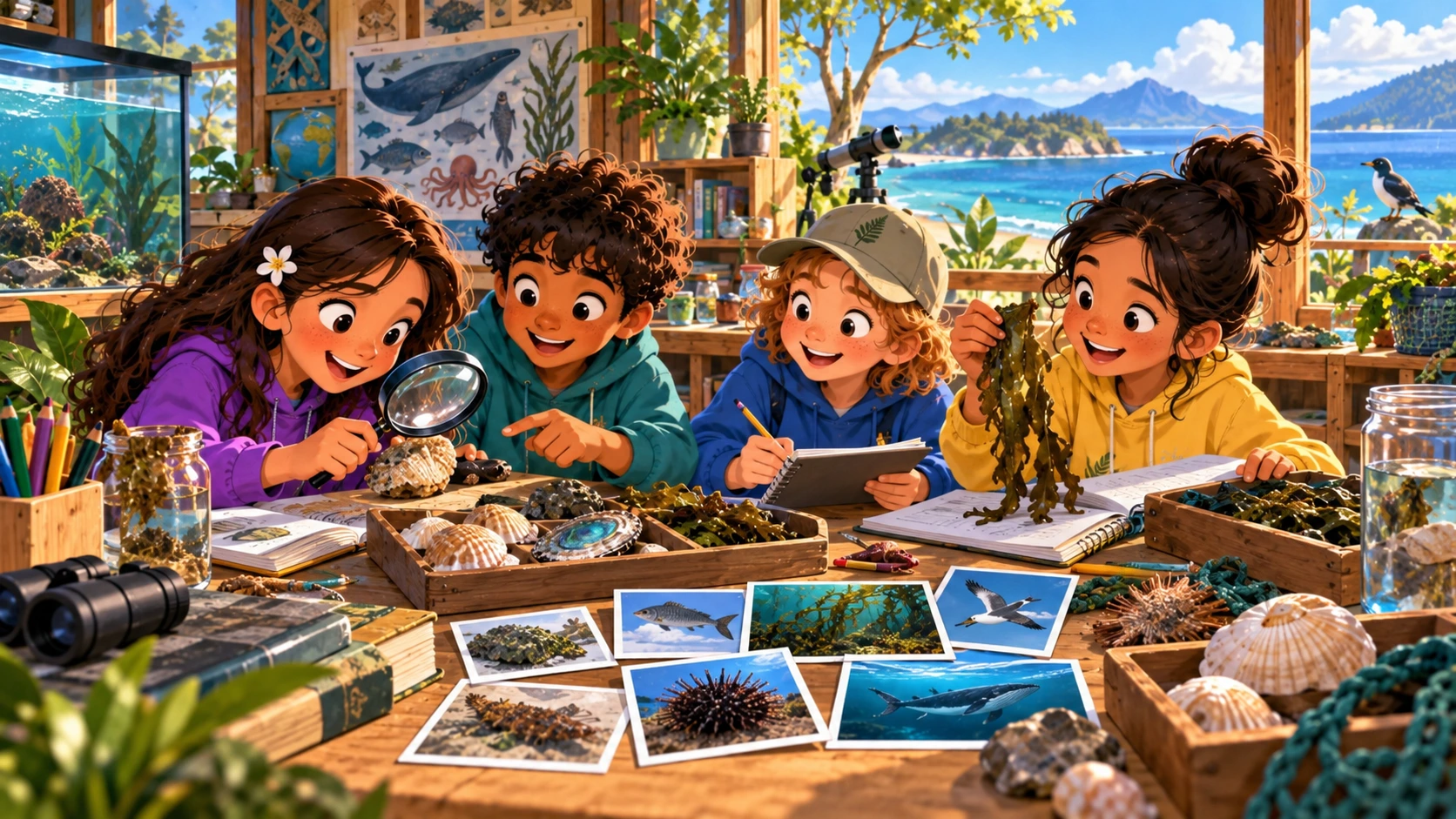
Let’s investigate the words for Protect Our Moana. Look for what changes, then explain what you notice.
I can use subject-specific vocabulary accurately.
Runoff is…
Technical vocabulary is useful when it makes an explanation more exact. Define unfamiliar terms through context and use them consistently.
Before you investigate the moana words, learn the three parts you need to spot.
The base word carries the main meaning.
A prefix goes before a base word and changes its meaning.
A suffix goes after a base word. It can change the meaning or the job of the word.
In the word protection, what is -ion?
Tap the pictures, then choose a word. Decide whether it has a base word, a prefix, a suffix, or whether it is simply an important topic word.
Do the main mission first, then complete this section. It is deliberately more independent than Year 4 and is part of your weekly homework workload.
Runoff is…
ENGLISH · SCIENCE
Read the Protect Our Moana information first. Talk the idea through, then answer one small question at a time.
I can infer, justify ideas and select the strongest evidence.
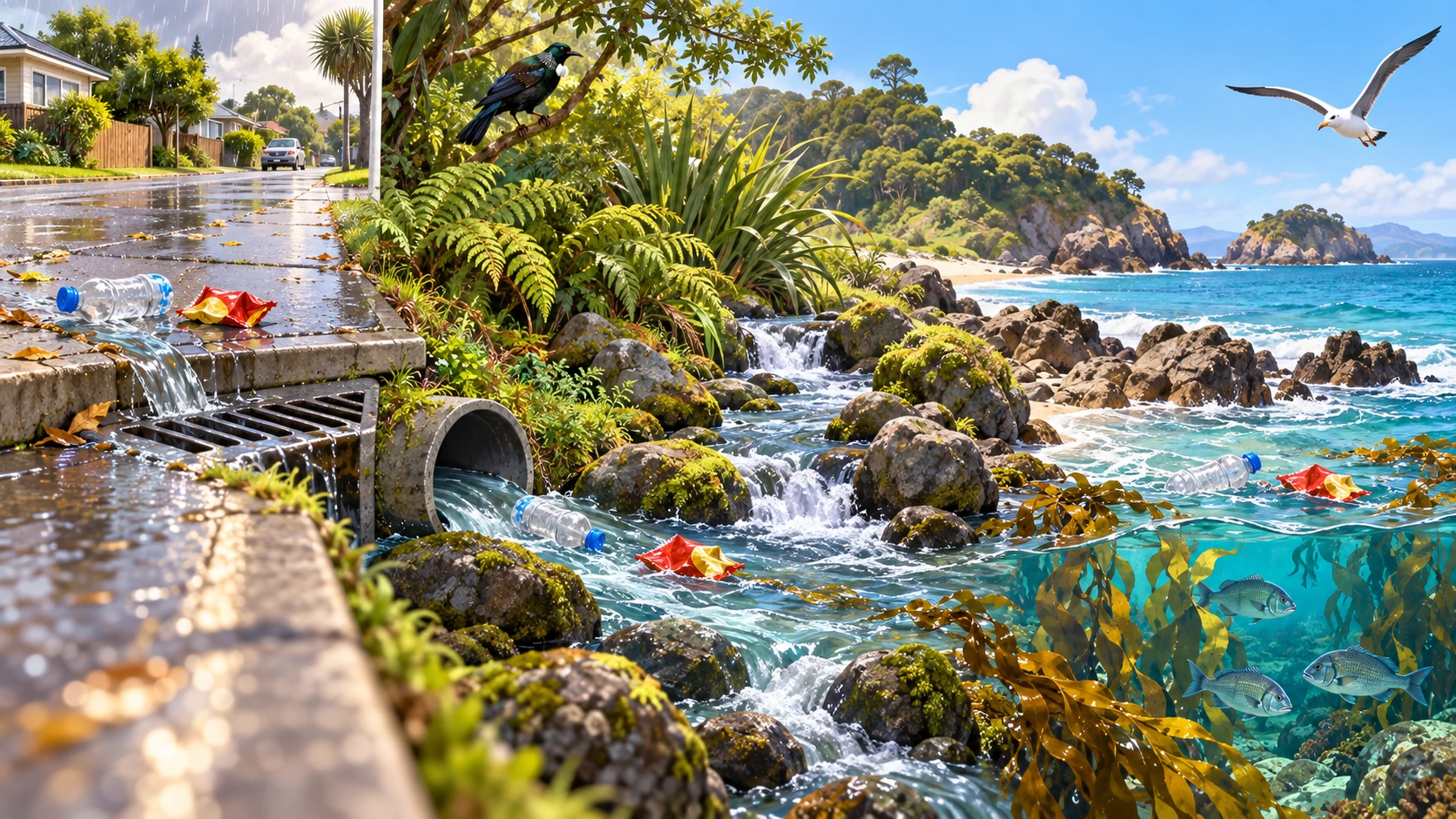
Why can litter dropped inland affect the coast?
Inference combines what the text says with what you already know. Strong answers point to specific evidence and explain how it supports the inference.
The clue pictures are mixed up on purpose. Drag on a computer, or tap a card and then tap its destination on a phone or tablet.
Rain can wash litter from streets into stormwater drains. In many places those drains lead to streams or directly to the coast. Plastic can then travel through waterways, break into smaller pieces and affect marine habitats.
Do the main mission first, then complete this section. It is deliberately more independent than Year 4 and is part of your weekly homework workload.
Rain can wash litter from streets into stormwater drains. In many places those drains lead to streams or directly to the coast. Plastic can then travel through waterways, break into smaller pieces and affect marine habitats.
Fluency check: read the source aloud once at a natural pace, pausing where the punctuation tells you to.Why can litter dropped inland affect the coast?
ENGLISH
YOUR WRITING JOB: Explain one pathway by which pollution can move from land to the moana and one action that could interrupt that pathway.
I can explain how or why something happens using a logical sequence and precise vocabulary.
Explain one pathway by which pollution can move from land to the moana and one action that could interrupt that pathway.
Explanations organise causes, processes or relationships. Use technical vocabulary where it adds precision and link ideas with cause-and-effect language.
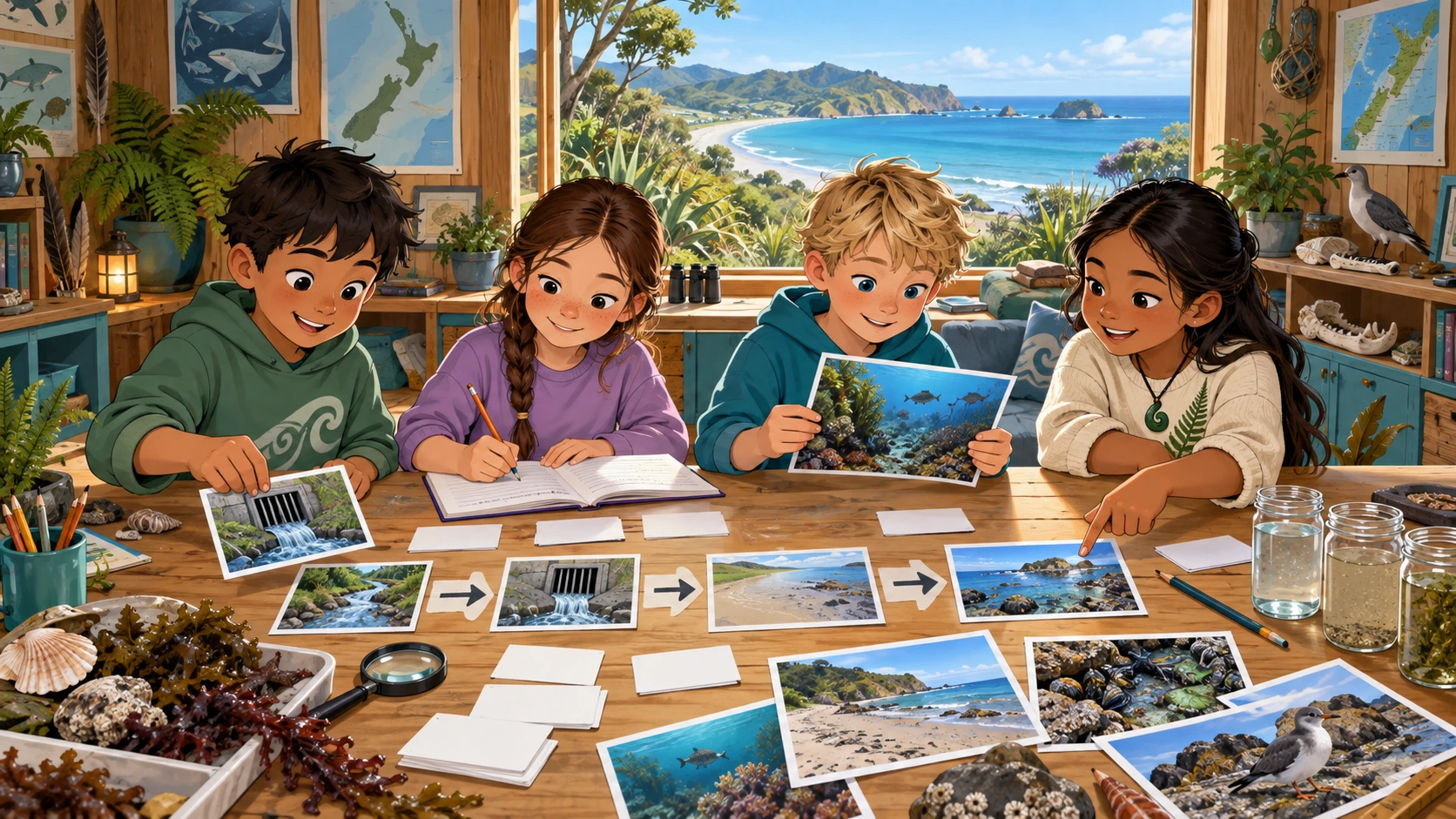
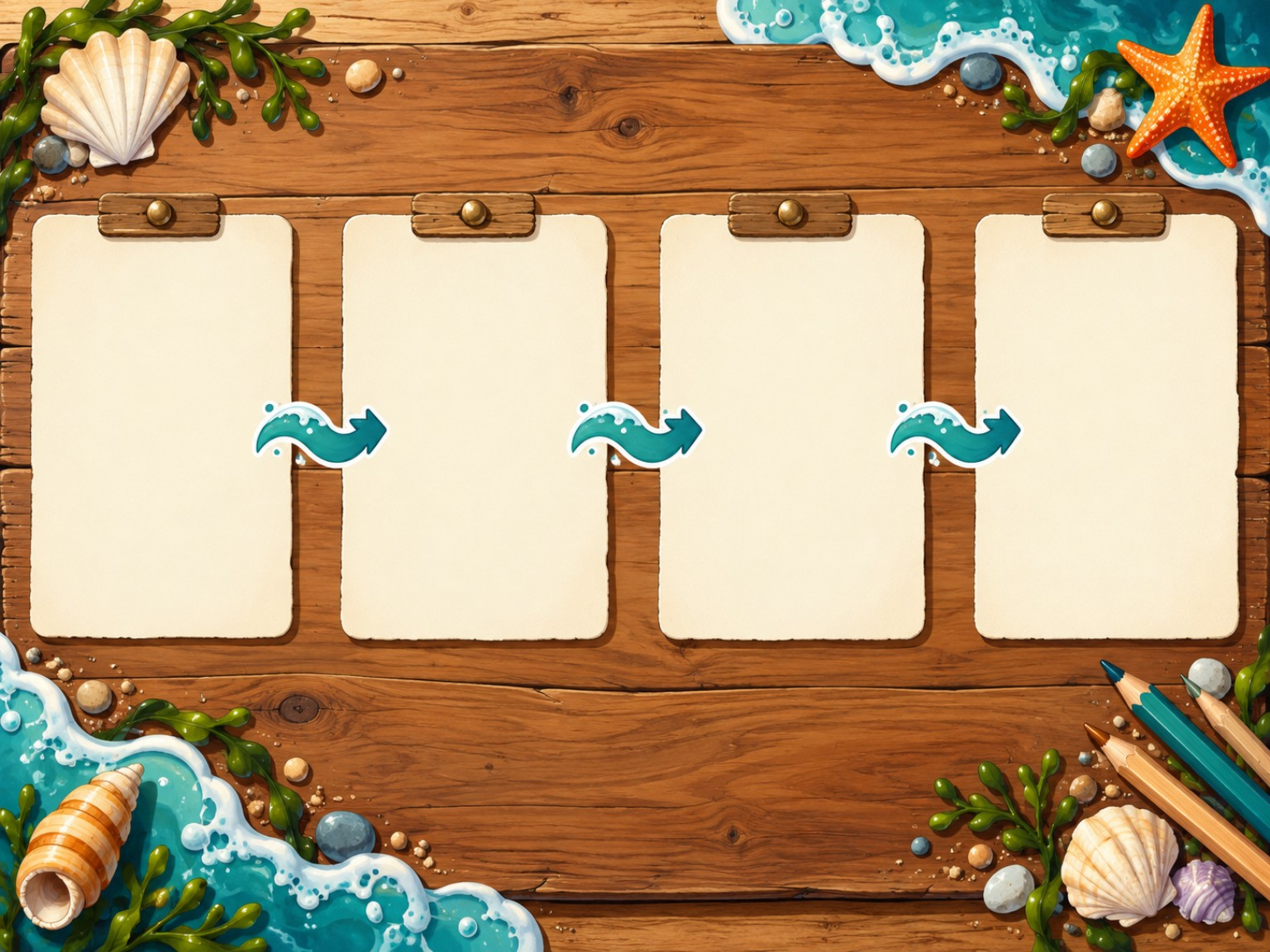
Move four evidence pictures onto the planning board. Add a short note under each one, then use your plan to write the explanation.
Do the main mission first, then complete this section. It is deliberately more independent than Year 4 and is part of your weekly homework workload.
Explain one pathway by which pollution can move from land to the moana and one action that could interrupt that pathway.
Minimum guide: 100 words. Quality matters: make the reasoning, evidence or design decision clear.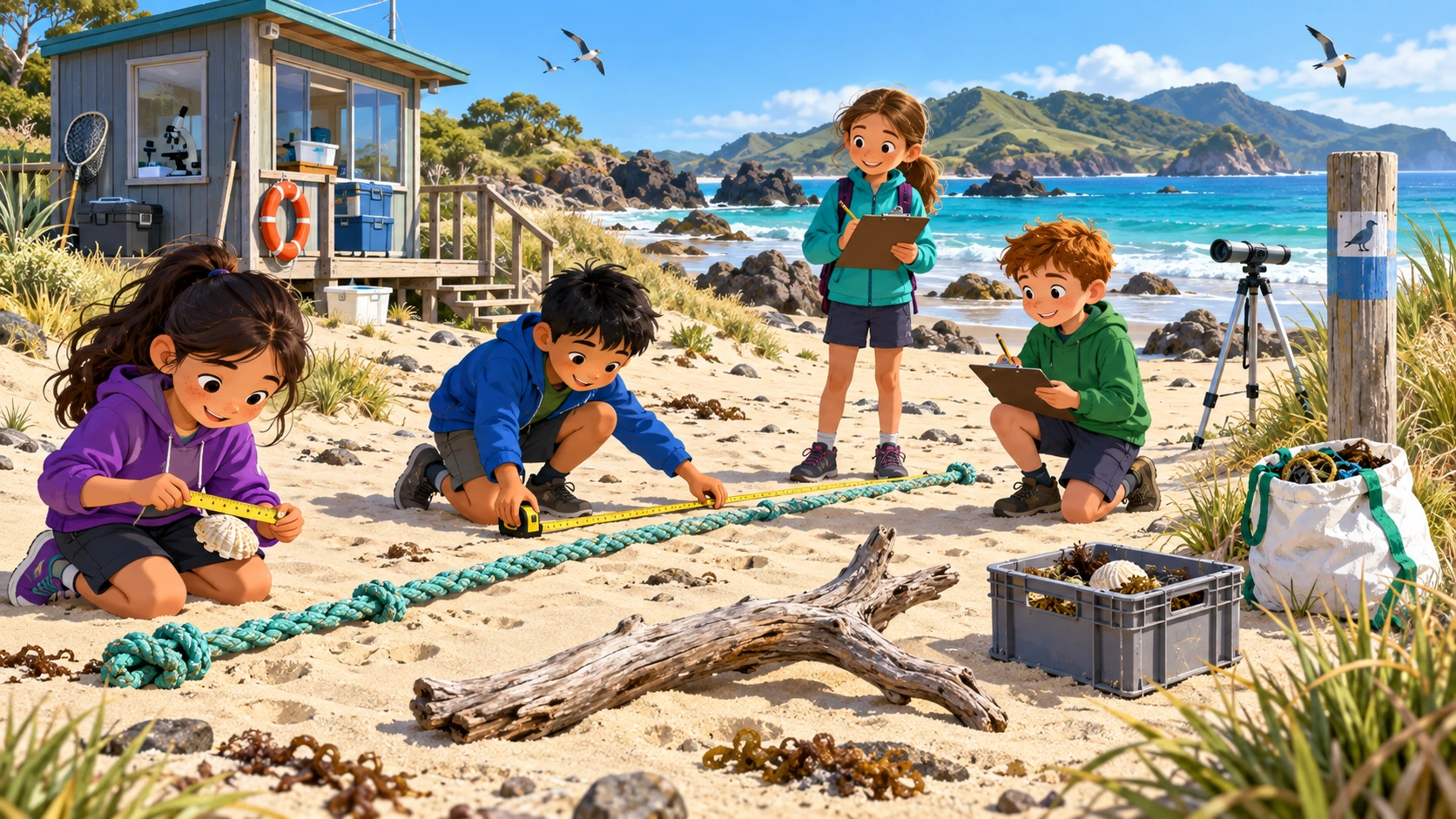
MATHS
Work through one maths question at a time. Your answers will be checked before the next mission unlocks.
I can solve measurement problems using appropriate metric units and conversions.
1) 2.4 m in centimetres 2) Perimeter of a 12 m by 8 m rectangle
Choose units that match the object and convert within metric relationships when needed. Record units with every answer.
Use this guide while you work. In Aotearoa New Zealand we normally measure length with the metric system.
Example: 4 m = 4 × 100 = 400 cm
Example: 370 cm = 3 groups of 100 cm + 70 cm = 3 m 70 cm
Example: 70 mm = 7 cm. 5 cm = 50 mm.
Example: 3 m = 300 cm, so 3 m is longer than 250 cm.
Keep the metres, then add the centimetres: 25 cm + 30 cm = 55 cm. The answer is 1 m 55 cm.
If the centimetres reach 100 or more, trade every 100 cm for another metre.Aotearoa New Zealand uses the metric system, so centimetres, metres and kilometres are the measurements you will usually see. In the United States, people also commonly use measurements such as inches, feet and miles in everyday life. Metric measurements are still used there in areas such as science and medicine.
Each question now uses a complete measurement picture with the object and its scale already lined up. Tap the picture if you want to enlarge it, then type your measurement underneath.
2.4 m in centimetres
Look at where the end of the rope lines up on the scale.
Perimeter of a 12 m by 8 m rectangle
Read the line length, then write it in metres and centimetres.
Do the main mission first, then complete this section. It is deliberately more independent than Year 4 and is part of your weekly homework workload.
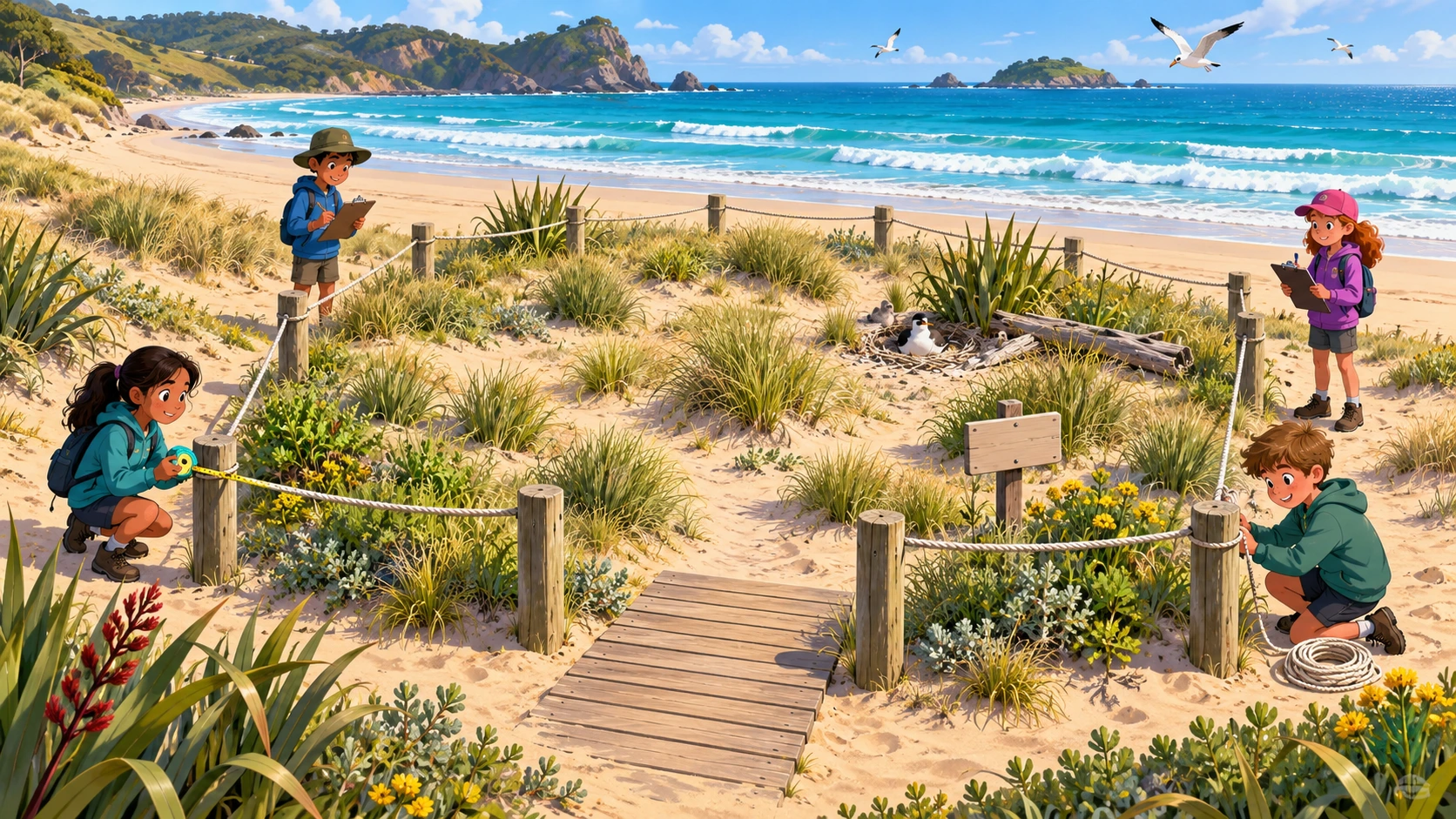
MATHS
This is your real-world Protect Our Moana challenge. Work out what the problem asks you to find or make.
I can design, test and improve an idea against criteria.
Propose a dune-protection layout using one measurement and one environmental reason. Explain how you would test whether it meets the goal.
Design is iterative. Create a first solution, test it against clear criteria, identify a weakness and make an improvement.
You made a rough sketch on the blueprint brief above. Now turn that draft into an accurate scaled build: every small square is 0.5 m.
The grid uses a scale of 1 square = 0.5 m. Build a 3 m × 2 m protected habitat, then surround it with a 4 m × 3 m rope enclosure. That leaves a 0.5 m buffer around the habitat. Your rope also needs one 2 m entrance.
The plants nearest the sea need to cope with wind, salt and moving sand. More sheltered plants belong further back. Use this guide before you build.
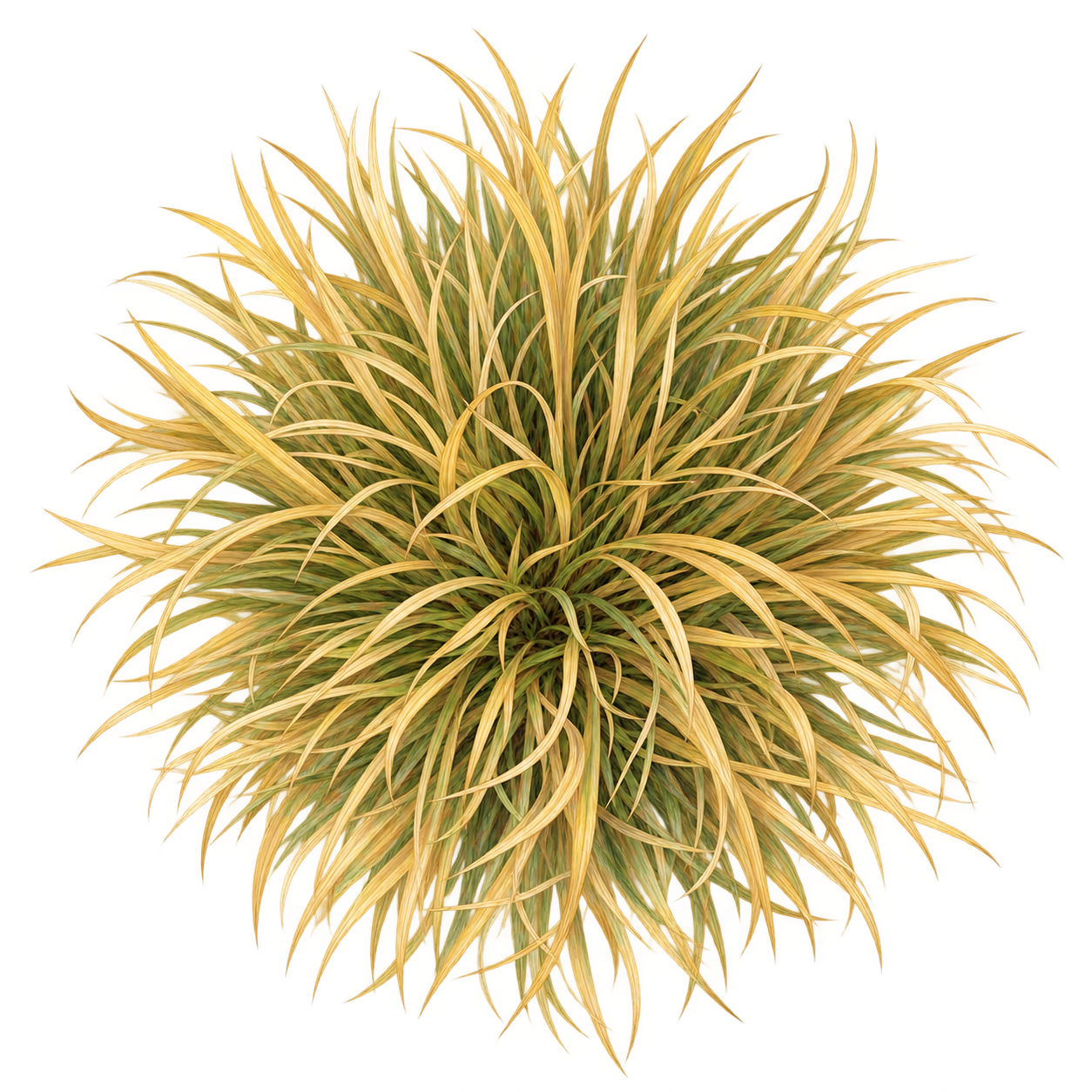 Pīngao
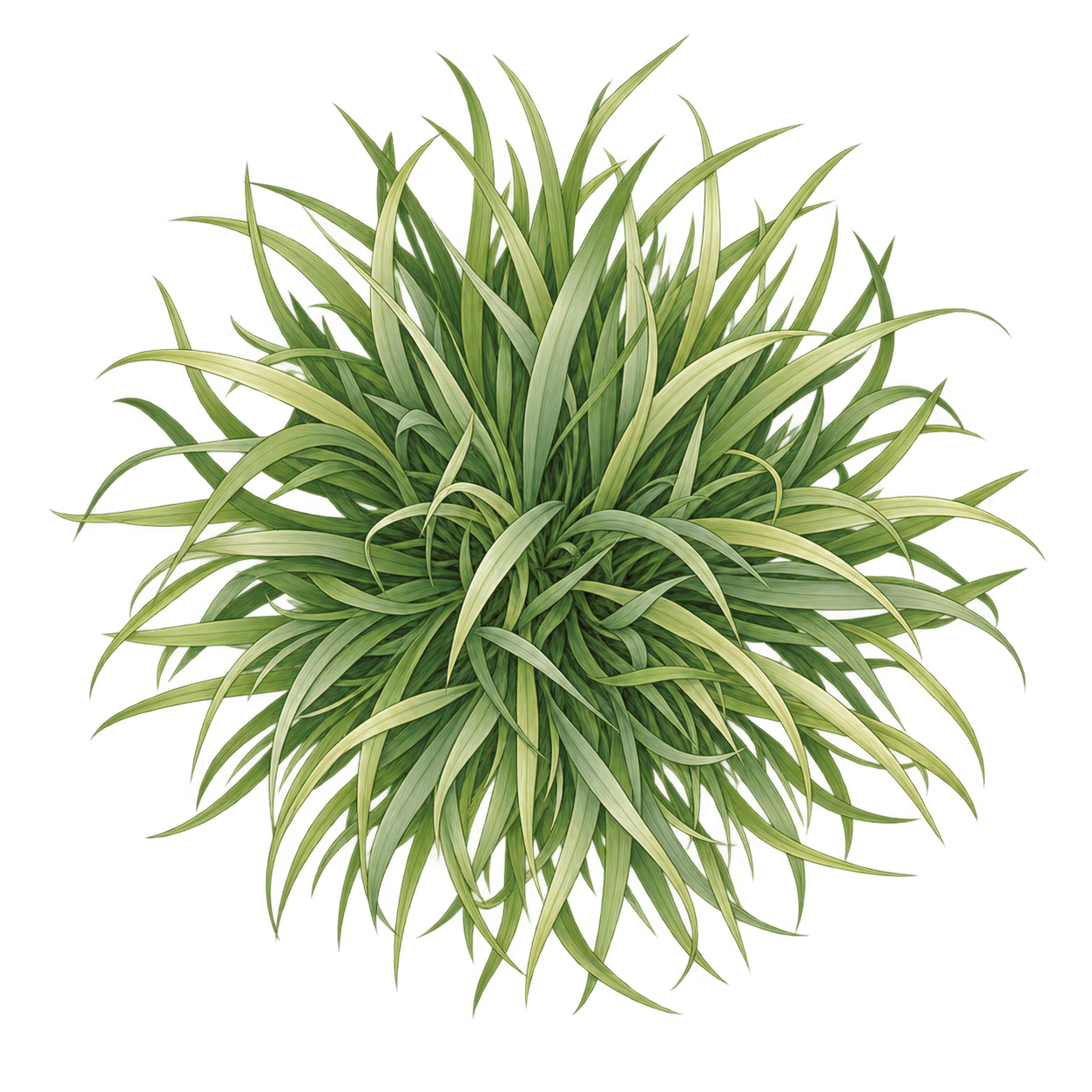 Spinifex
These are strong dune-building plants. Their roots and runners help trap sand and hold the front of the dune together.
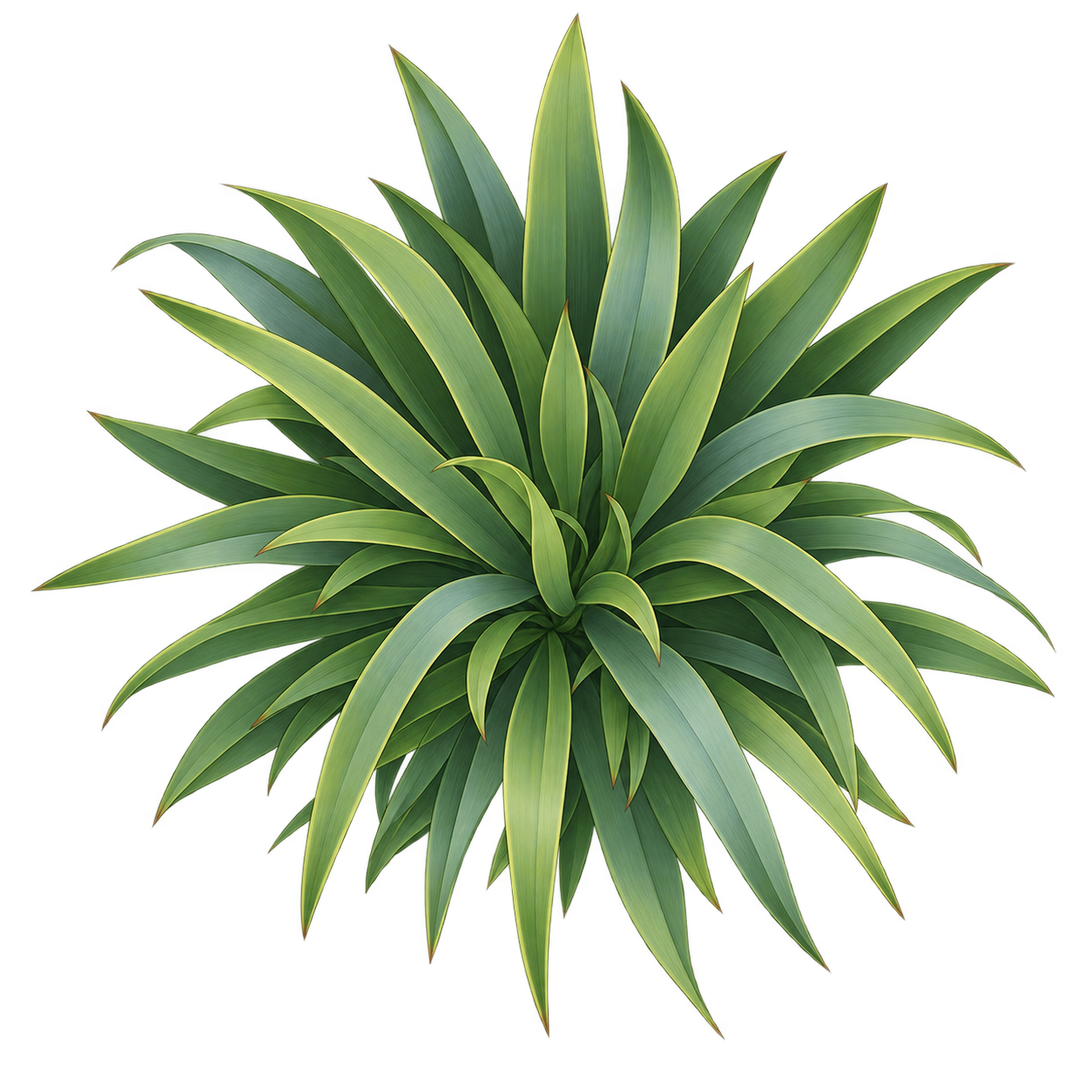 Harakeke
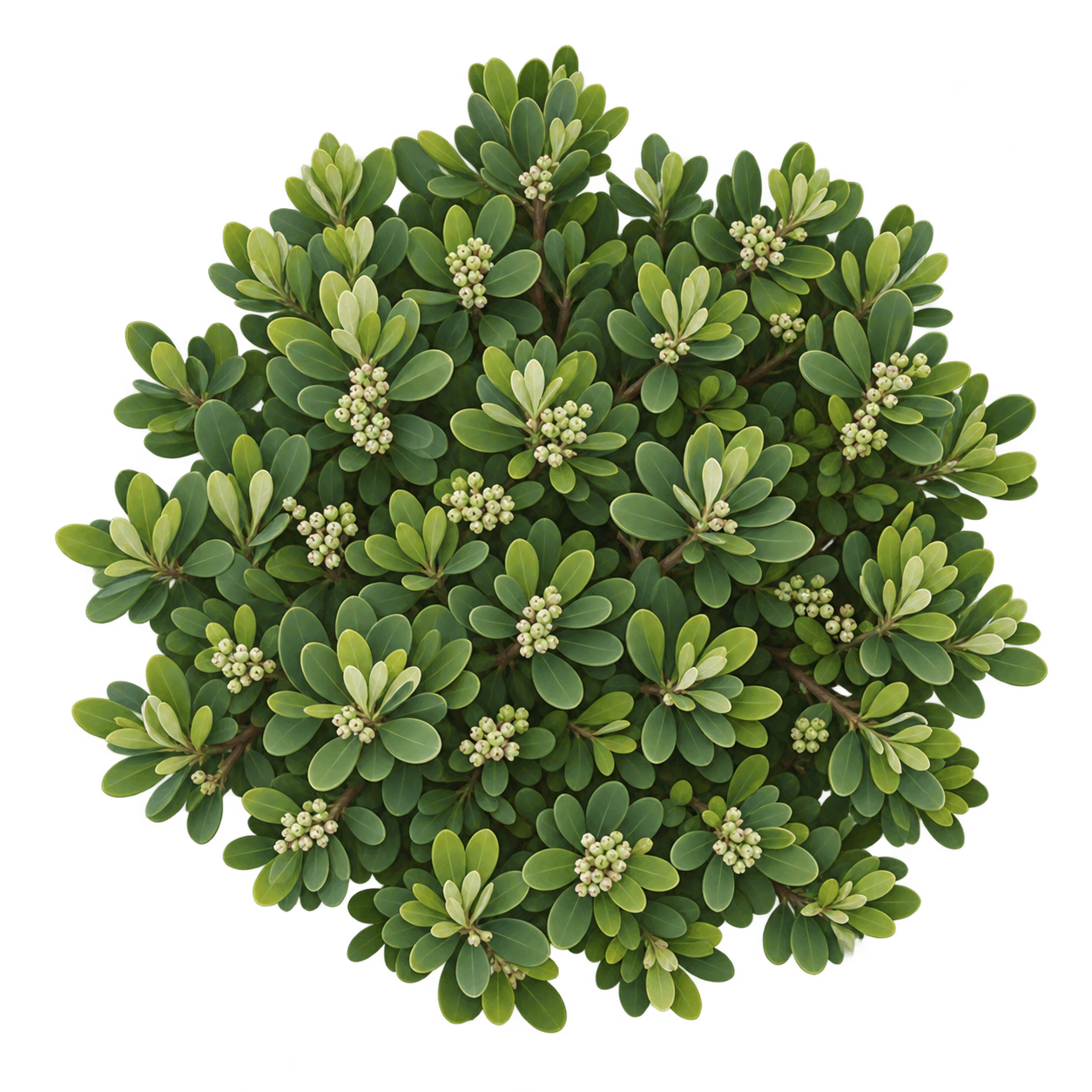 Coastal shrub
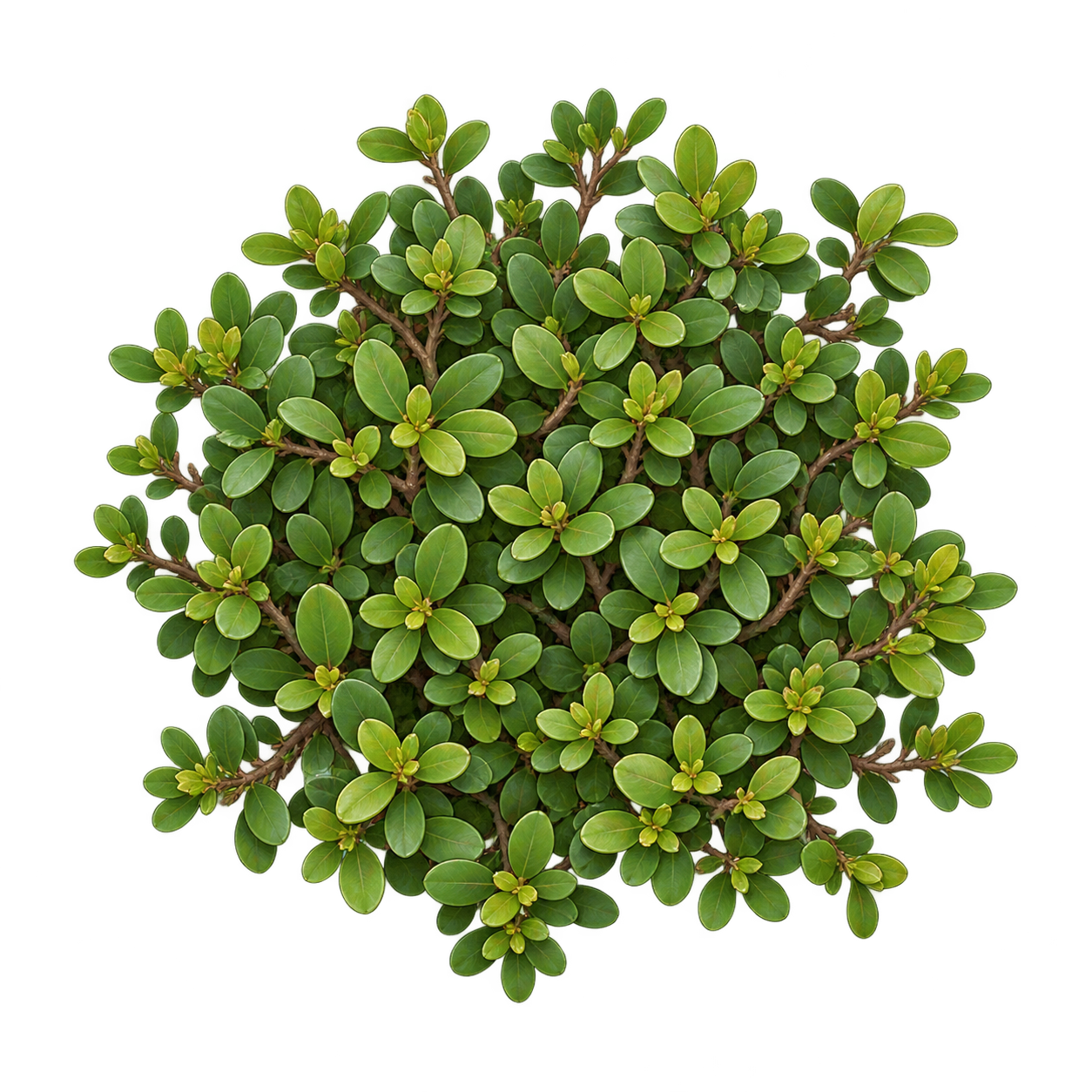 Sand coprosma
Harakeke and shrubs prefer a more stable position. Place them behind the front-dune plants, beside protected edges, or near the boardwalk.
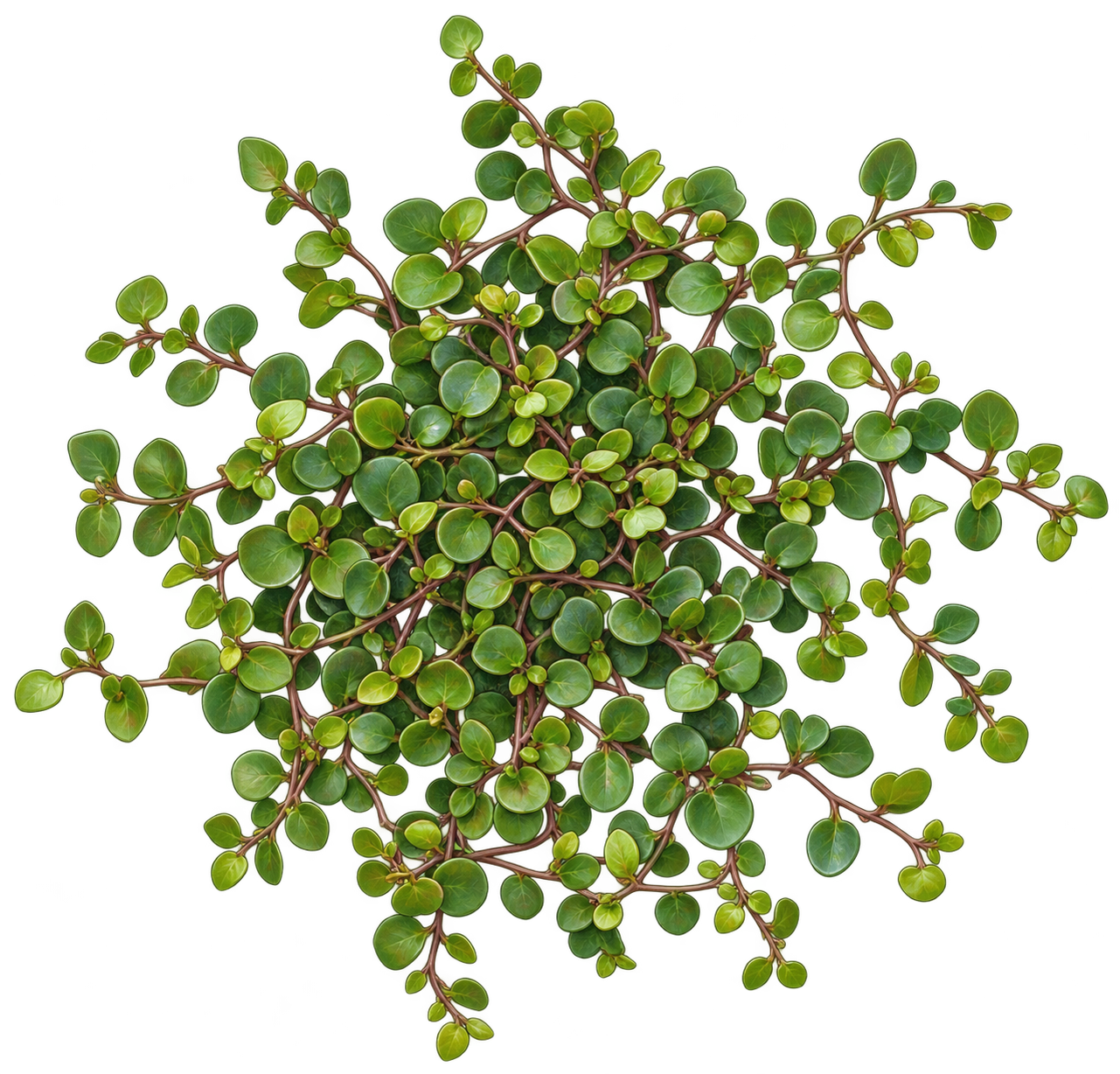 Pōhuehue
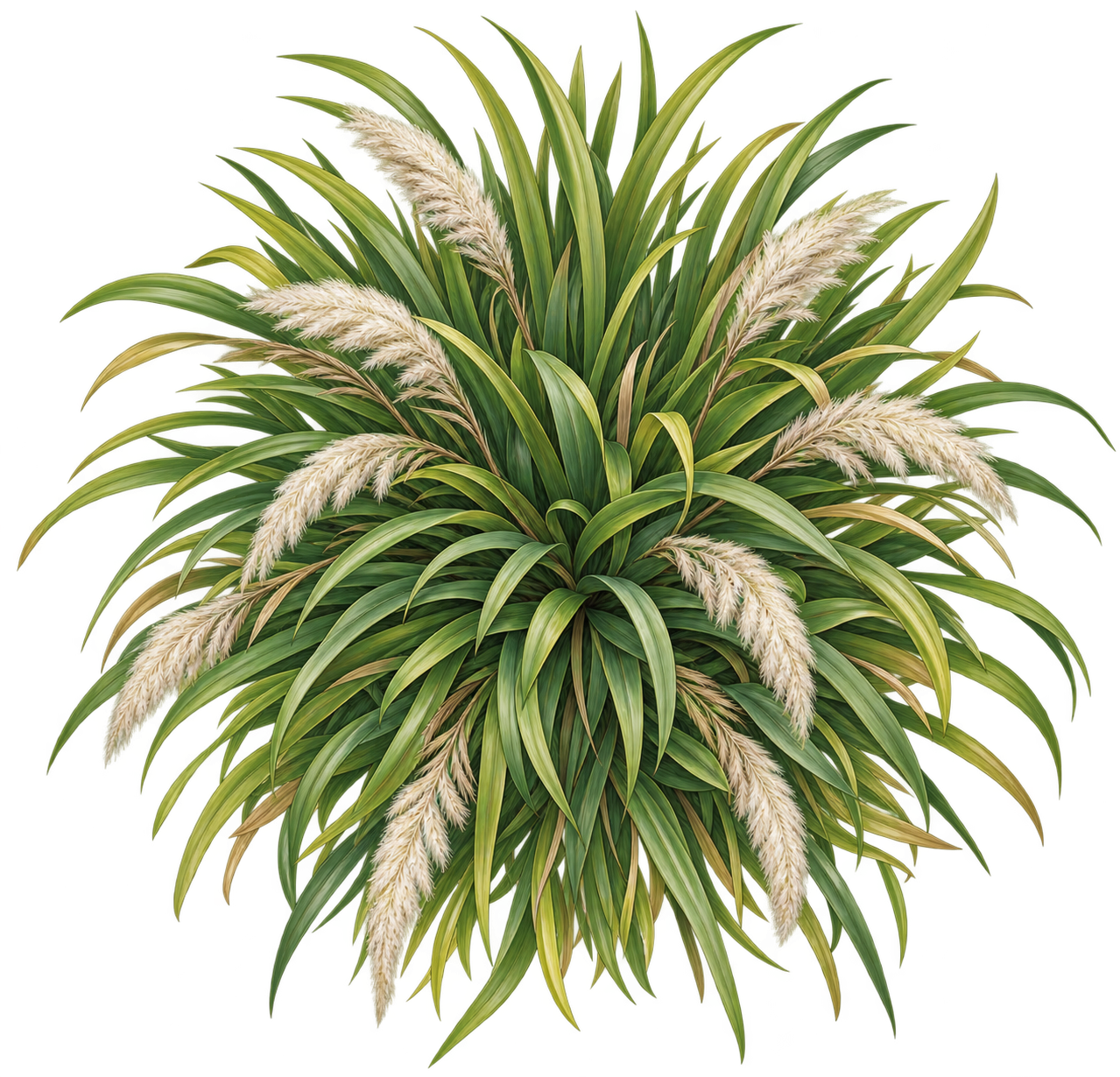 Toetoe
These can add shelter and variety to the restored area. Do not cover the entrance or block the boardwalk.
Do the main mission first, then complete this section. It is deliberately more independent than Year 4 and is part of your weekly homework workload.
Propose a dune-protection layout using one measurement and one environmental reason. Explain how you would test whether it meets the goal.
Minimum guide: 70 words. Quality matters: make the reasoning, evidence or design decision clear.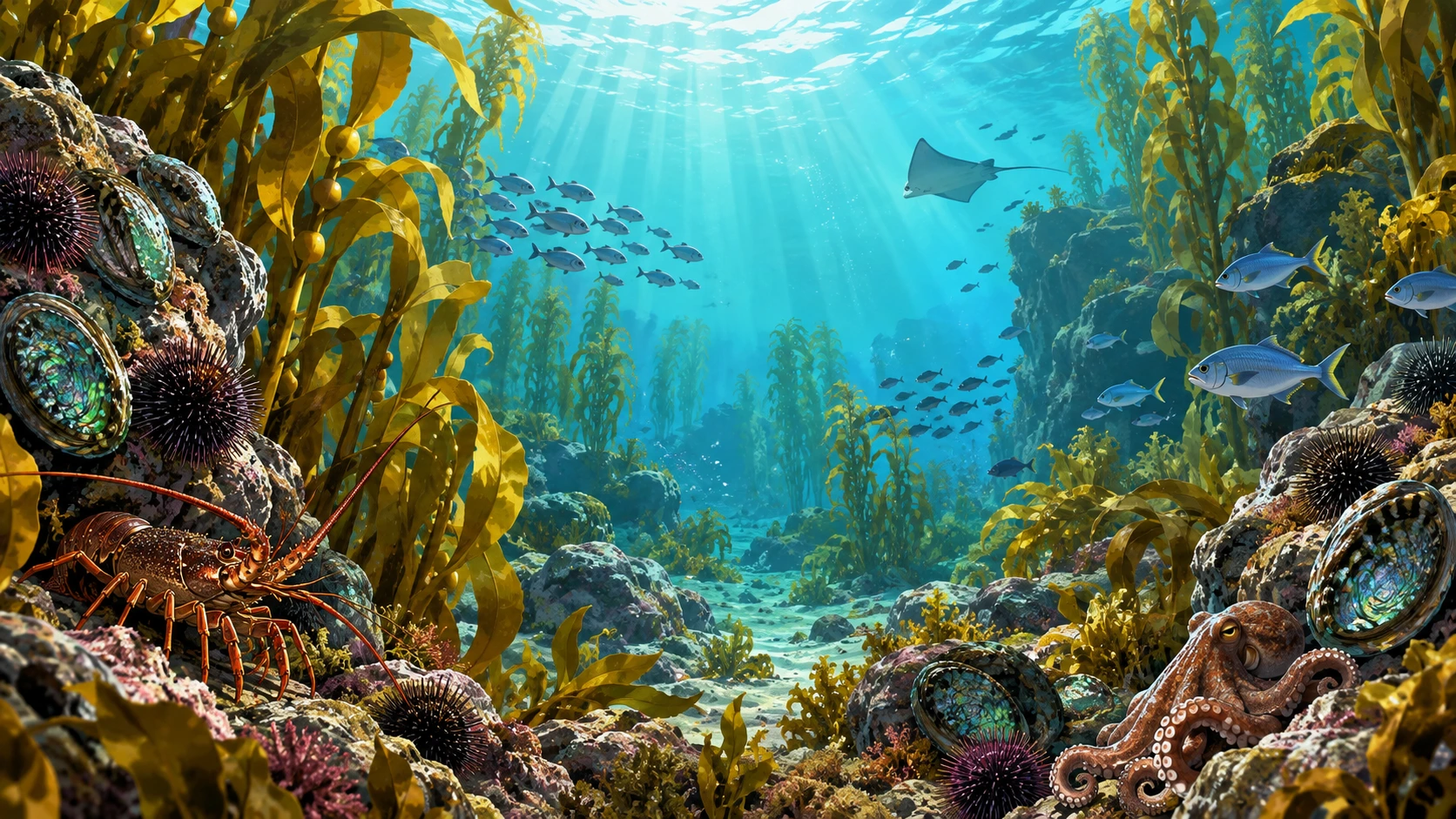
SCIENCE
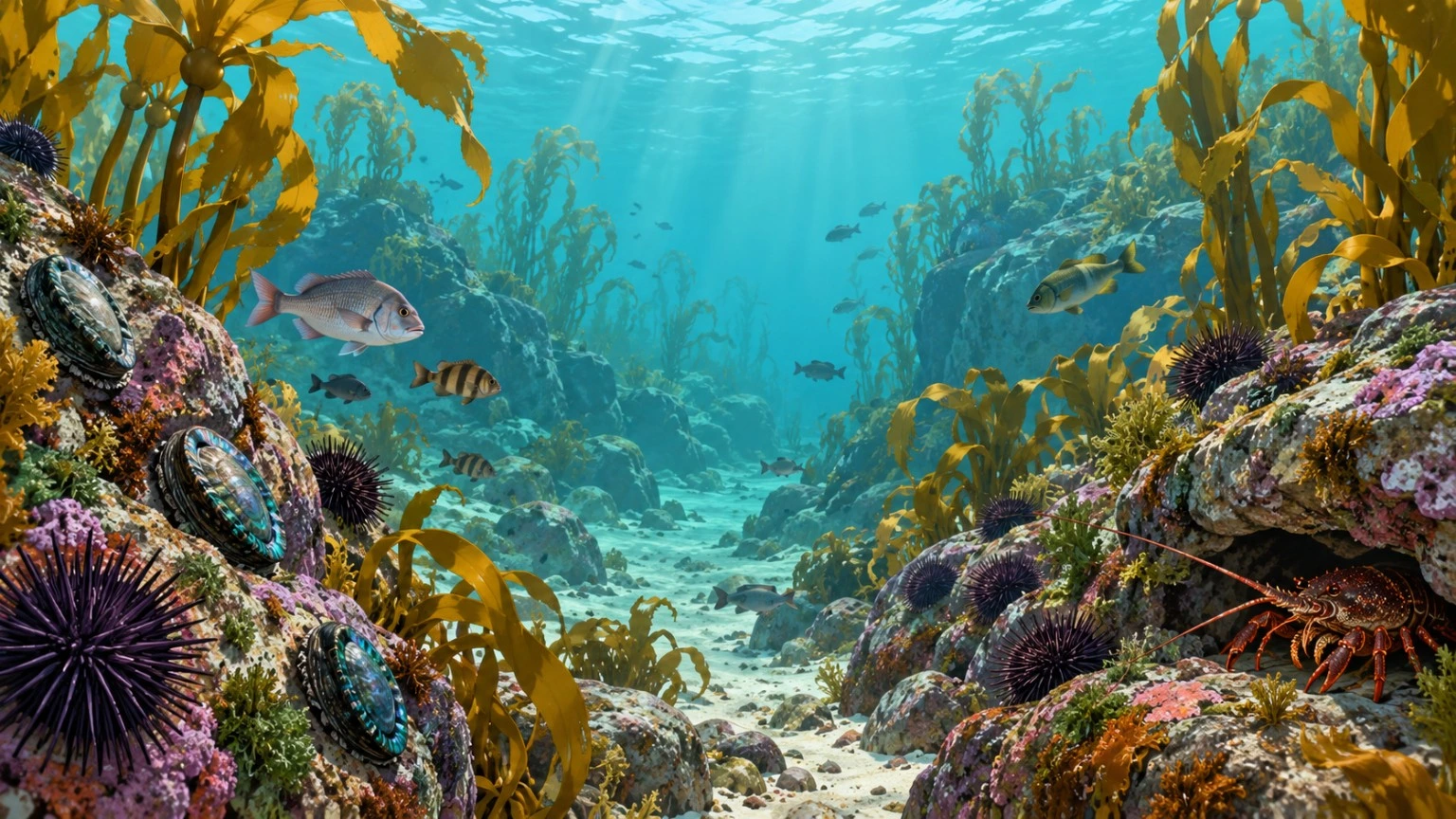
Reef Rescue has three missions: steer the Kaitiaki ROV to collect rubbish, defend the reef by matching each threat with the right action, then return marine life to the habitat where it belongs. Complete all three levels to finish the Game Break.
ICONIC ARCADE · TERM 2 · WEEK 4
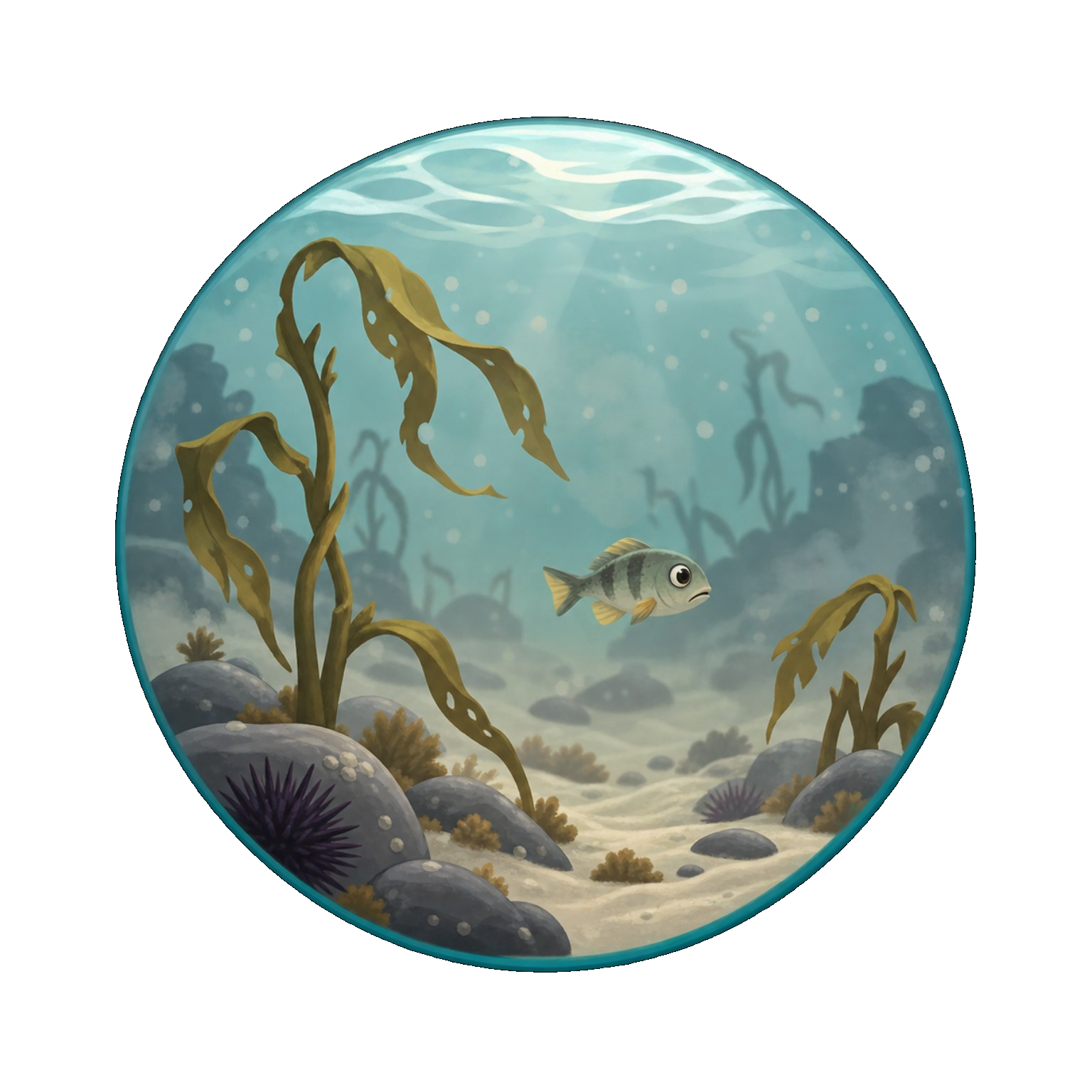
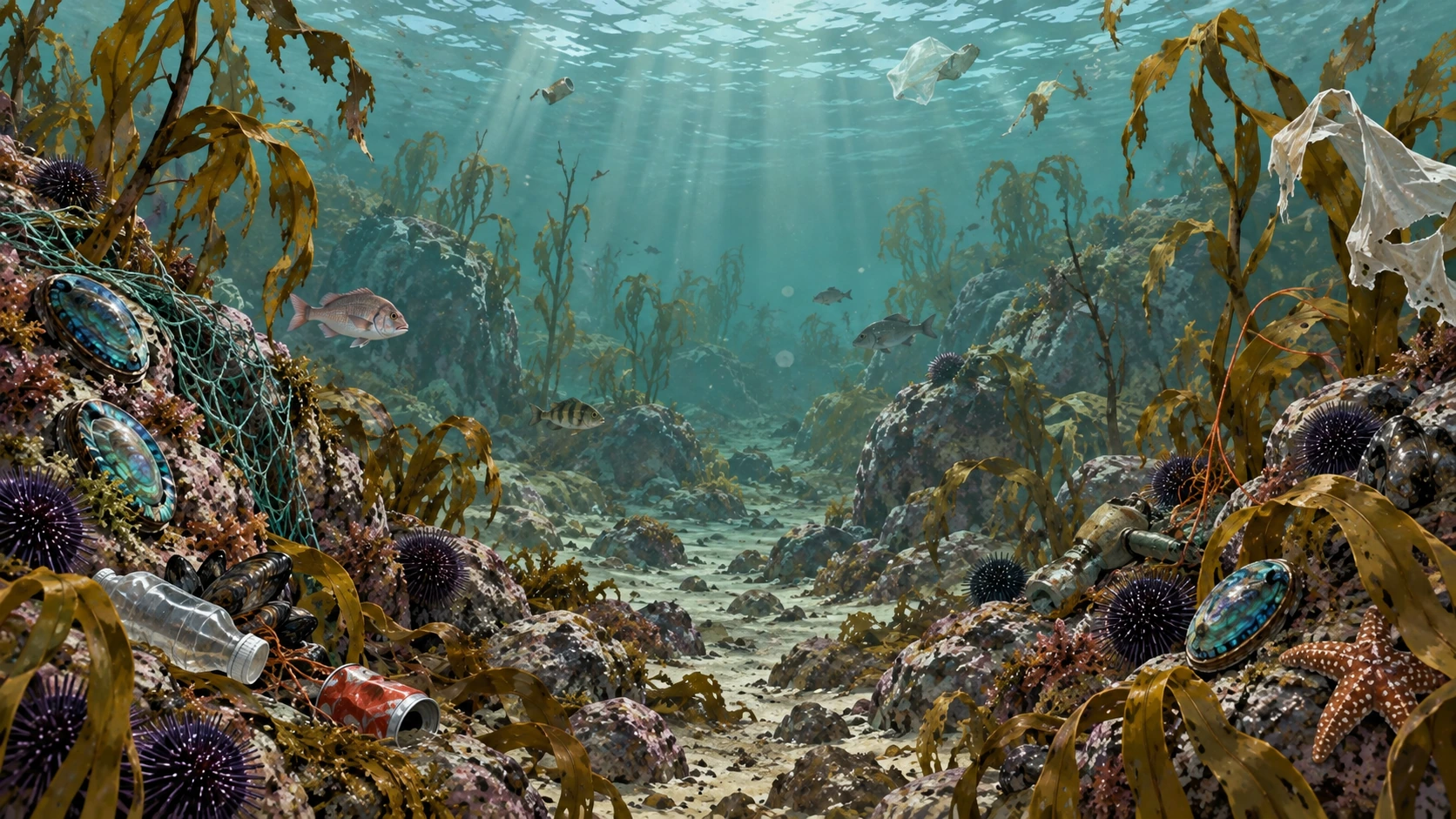

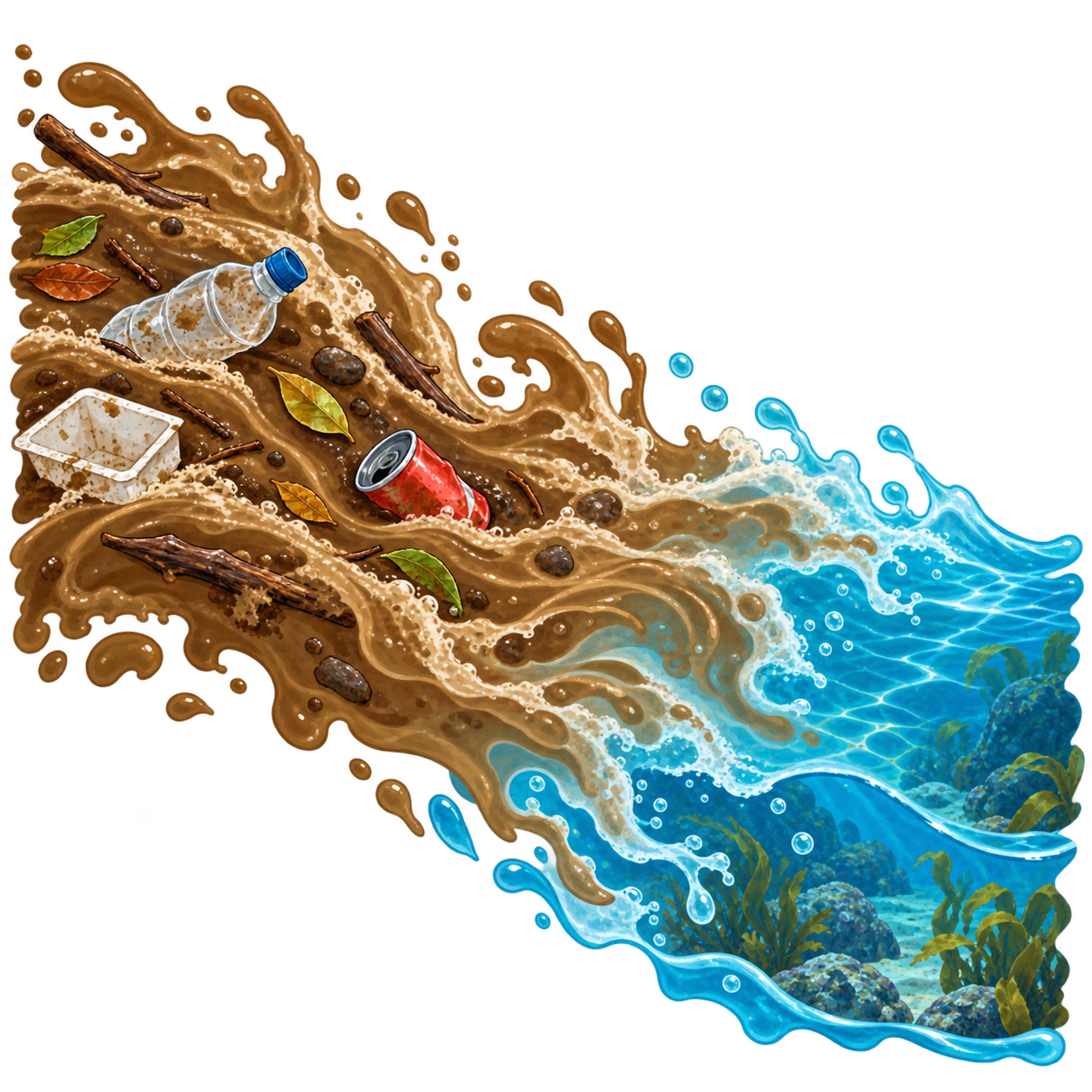 Dirty runoff

Clean the rubbish, defend the reef from new threats, then rebuild the habitat.
You cleaned pollution, stopped new threats and returned marine life to the right habitats.
Do the main mission first, then complete this section. It is deliberately more independent than Year 4 and is part of your weekly homework workload.
Finish the game first, then use the learning from this week to clear these three final rounds.
This part is about your own learning. There are no right or wrong feelings.
Reflect on independence, challenge level and the next useful Year 5 practice step.
Which cause-and-effect link was most important to your solution?
Choose what feels true for you, then write one thing you understand better now.
There are no right or wrong answers. Choose what feels true for you.
Everyone learns differently. Choose anything that helps you. You can change these anytime.
Need something later? Tap your Homework Club buddy. Help is for everyone.