An advert calls a toy ‘the ultimate challenge’ and shows children cheering. It lists two real features: adjustable difficulty and rechargeable power. It does not compare the toy with other products or explain how ‘ultimate’ was measured.
Fluency check: read the source aloud once at a natural pace, pausing where the punctuation tells you to.TERM 2 · WEEK 5
Toy Lab
Toy Design & Persuasion
0 / 7 missions complete
ENGLISH
Toy Hype Lab: Persuasive Power Words
01 · Toy Hype StationBefore the Toy Lab can launch a prototype, we need to know how persuasive language works — and how to keep it truthful.
WHAT AM I LEARNING?
I can choose precise words and explain how shades of meaning change a message.
YOUR MISSION
Which phrase is the strongest unsupported hype claim?
TEACH · LEARN THE IDEA
Writers choose words for precision. Near-synonyms are not always interchangeable: each can suggest a different strength, attitude or level of certainty.
- STEP 1Read each line and ask: could I prove this is true? If yes, it may be a fact.
- STEP 2If the line gives a judgement such as awesome, exciting or brilliant, it is probably a persuasive opinion.
- STEP 3If the line tells the reader to choose, try, discover or collect something, it is a call to action.
- STEP 4Improve the plain description with persuasive vocabulary, then check that any factual claim is still something that could be verified.
PLAY · SORT THE HYPE
Fact, persuasive opinion, or call to action?
Tap a statement, then send it to the category that fits. Use the teaching rule above if you are unsure.
YEAR 5 DEEP DIVE · REQUIRED Complete this deeper Year 5 mahi as part of the mission — not as an optional extra.
Do the main mission first, then complete this section. It is deliberately more independent than Year 4 and is part of your weekly homework workload.
CHECK THE CORE IDEA
Which phrase is the strongest unsupported hype claim?
ENGLISH
Audience & Persuasion in Adverts
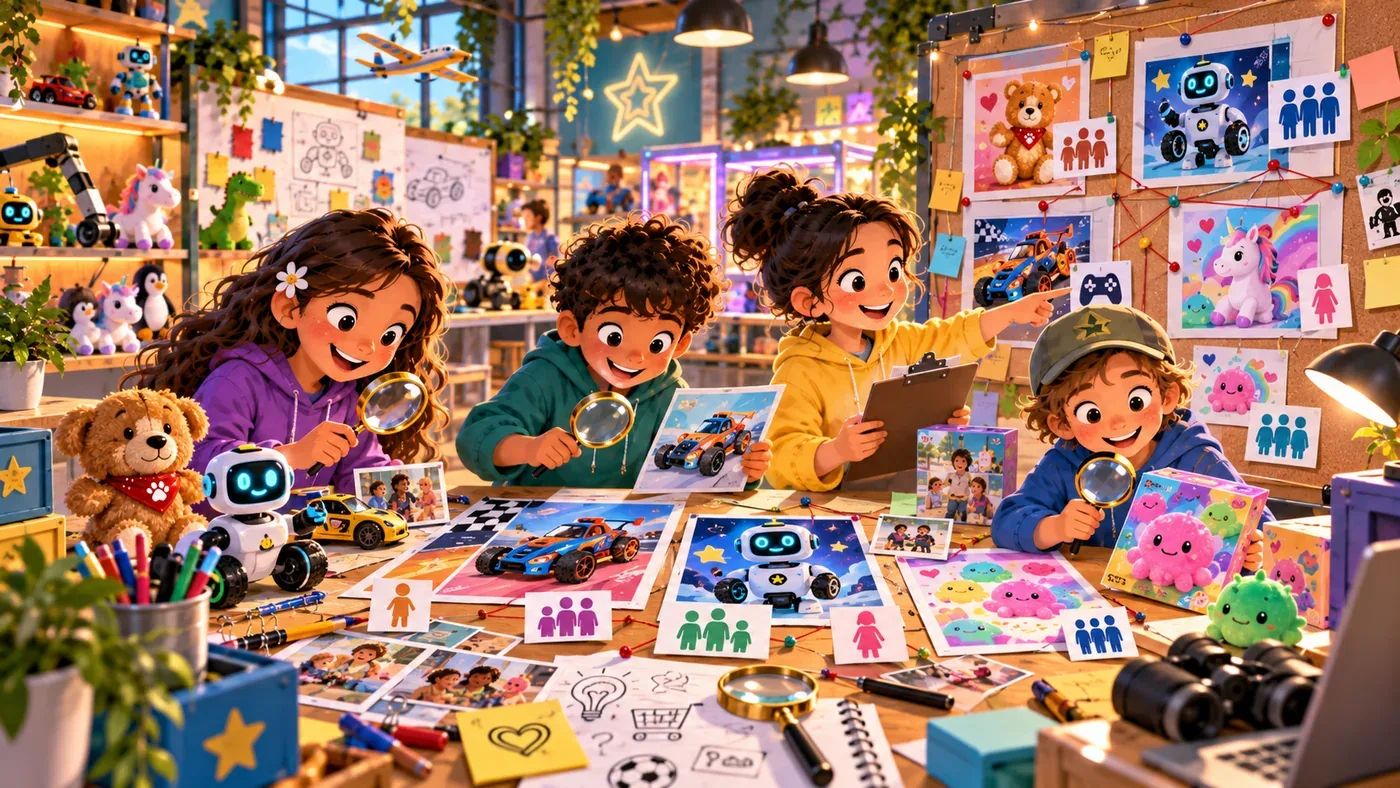
02 · Ad Detective DeskToy adverts are designed for a particular audience. Read like an advert detective: work out who the message is for, what it wants them to do and which clues prove your answer.
WHAT AM I LEARNING?
I can identify viewpoint, author purpose and how language positions a reader.
YOUR MISSION
Which statement needs the most evidence?
TEACH · LEARN THE IDEA
Authors select details and language for a purpose. Ask whose viewpoint is centred, what the writer wants the reader to think or do, and what may be missing.
- STEP 1Read once to understand the toy and its main features.
- STEP 2Work out the likely audience and find a specific clue that supports your idea.
- STEP 3Identify the advert’s purpose and the action it wants the reader to take.
- STEP 4Find persuasive language, a call to action and one fact that could be checked.
- STEP 5Use evidence from the advert when you explain your thinking.
AD DETECTIVE
Crack the Squish Crew advert
Find four different clues. Each clue tells you something about the audience, the facts, the persuasive language or the action the advert wants you to take.
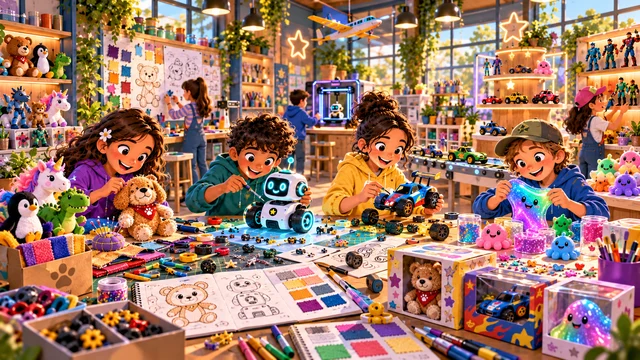
MEET THE SQUISH CREW
Choose a Squish Crew creature for your backpack, desk or collection.
Each one is and comes in one of six colourful designs.
The soft, slow-rise foam makes every character .



CLUES FOUND
0 / 4 clue types found
○ Audience clue ○ Checkable fact ○ Persuasive language ○ Call to action
READ THE WHOLE ADVERT
An advert calls a toy ‘the ultimate challenge’ and shows children cheering. It lists two real features: adjustable difficulty and rechargeable power. It does not compare the toy with other products or explain how ‘ultimate’ was measured.
YEAR 5 DEEP DIVE · REQUIRED Complete this deeper Year 5 mahi as part of the mission — not as an optional extra.
Do the main mission first, then complete this section. It is deliberately more independent than Year 4 and is part of your weekly homework workload.
CHECK THE CORE IDEA
Which statement needs the most evidence?
ENGLISH
Create a Persuasive Toy Advert
03 · Launch StudioYOUR DESIGN JOB: Build a custom toy first, then create the words for its launch advert.
WHAT AM I LEARNING?
I can persuade a specific audience using reasons, evidence and deliberate language.
YOUR MISSION
Write a toy advert for a specific audience. Include two accurate features, one persuasive reason and a clear call to action without making an unsupported claim.
TEACH · LEARN THE IDEA
Effective persuasion states a clear position, supports it with reasons or evidence, acknowledges the audience and ends with a purposeful call to action.
- STEP 1Choose a toy family, exact toy, colour and optional decorations, then name your prototype.
- STEP 2Choose the audience you want to reach and decide on at least one checkable fact or feature.
- STEP 3Create a headline and a strong reason the audience might like the toy.
- STEP 4Add at least three persuasive words or phrases and finish with a clear call to action.
- STEP 5Read the advert as your audience: is it clear, convincing and truthful?
CREATE · DESIGN · PERSUADE
Design Your Own Toy
Build the prototype first. Then use your design choices to create a persuasive launch advert. Your finished toy is saved as the target prize for Toy Grabber.
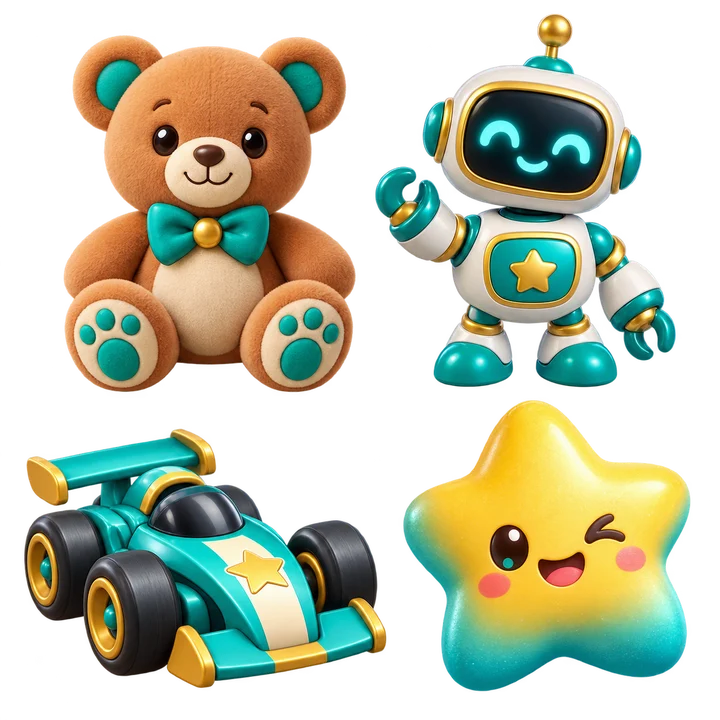
FOUR TOY FAMILIESPick one family, then choose the exact toy you want to customise.
NEED TO GET YOUR IDEAS READY?
Choose any way that helps. These are optional — you can always do the whole mission on screen.
ON SCREEN — use the planning boxes below.PEN & PAPER — if you want to, draw or jot your ideas first.SAY IT OUT LOUD — explain your idea to yourself before writing.TALK IT THROUGH — if someone is available, you can talk with a friend, sibling, whānau member or adult.
PRACTISE · Plan it one step at a time
SELF-CHECK · Check your work
This checklist helps you check your work. You do not have to tick every box to submit — the mission check looks at the work you created.
YEAR 5 DEEP DIVE · REQUIRED Complete this deeper Year 5 mahi as part of the mission — not as an optional extra.
Do the main mission first, then complete this section. It is deliberately more independent than Year 4 and is part of your weekly homework workload.
YOU TRY
Write a toy advert for a specific audience. Include two accurate features, one persuasive reason and a clear call to action without making an unsupported claim.
Minimum guide: 100 words. Quality matters: make the reasoning, evidence or design decision clear. □ answers the exact task□ uses specific detail□ ideas are connected□ reread and improved
MATHS
Toy Factory Pattern Lab
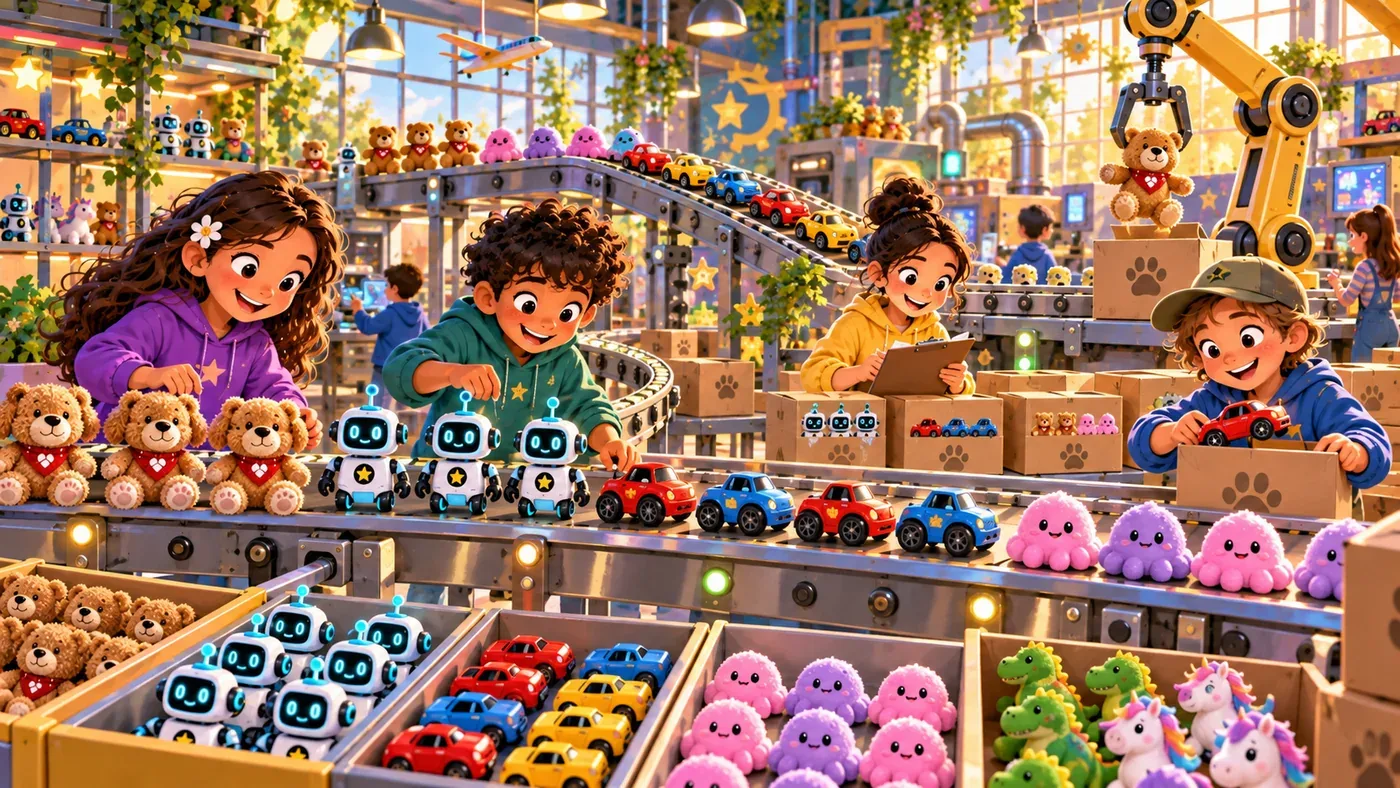
04 · Prototype FactoryThe Toy Factory runs on patterns. Your job is to find the rule before you predict what comes next.
WHAT AM I LEARNING?
I can describe and extend number patterns and explain the rule.
YOUR MISSION
1) Pattern 6, 10, 14, 18: next term 2) A display starts with 6 toys and adds 4 toys each time. How many toys are in display 5?
TEACH · LEARN THE IDEA
Look at how one term changes to the next. A rule should work for every term, not just the first example.
- STEP 1Compare neighbouring terms and ask what changed.
- STEP 2State the rule in words, such as add 5 or double.
- STEP 3Use the rule to find the next term, then test it against the earlier terms.
- STEP 4For a missing-number equation, use the related division or multiplication fact to find and check the unknown.
PLAY · PROTOTYPE FACTORY
Run the pattern conveyor
Complete three practice production lines. First predict the next amount, then identify the rule that makes the pattern work.
LINE 1 Mini Bots
4toys8toys12toys16toys?next
What comes next?
What is the rule?
LINE 2Squish Pods
Squish Pods2toys4toys8toys16toys?next
What comes next?
What is the rule?
LINE 3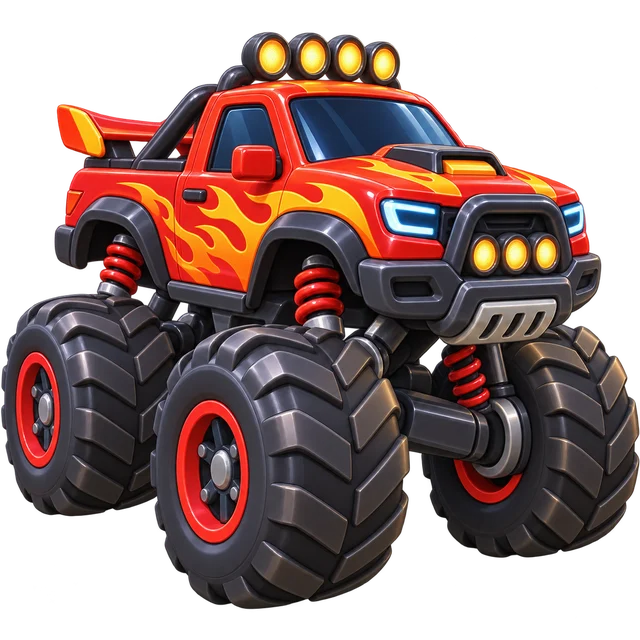 Vehicle Kits
6toys12toys18toys24toys?next
What comes next?
What is the rule?
PRODUCTION LINES FIXED0 / 3
PRACTISE & SOLVE · One question at a time
Read → choose a strategy → work it out → check your answer. Correct answers stay correct if another question needs another go.
YEAR 5 DEEP DIVE · REQUIRED Complete this deeper Year 5 mahi as part of the mission — not as an optional extra.
Do the main mission first, then complete this section. It is deliberately more independent than Year 4 and is part of your weekly homework workload.
CORE YEAR 5 QUESTIONS
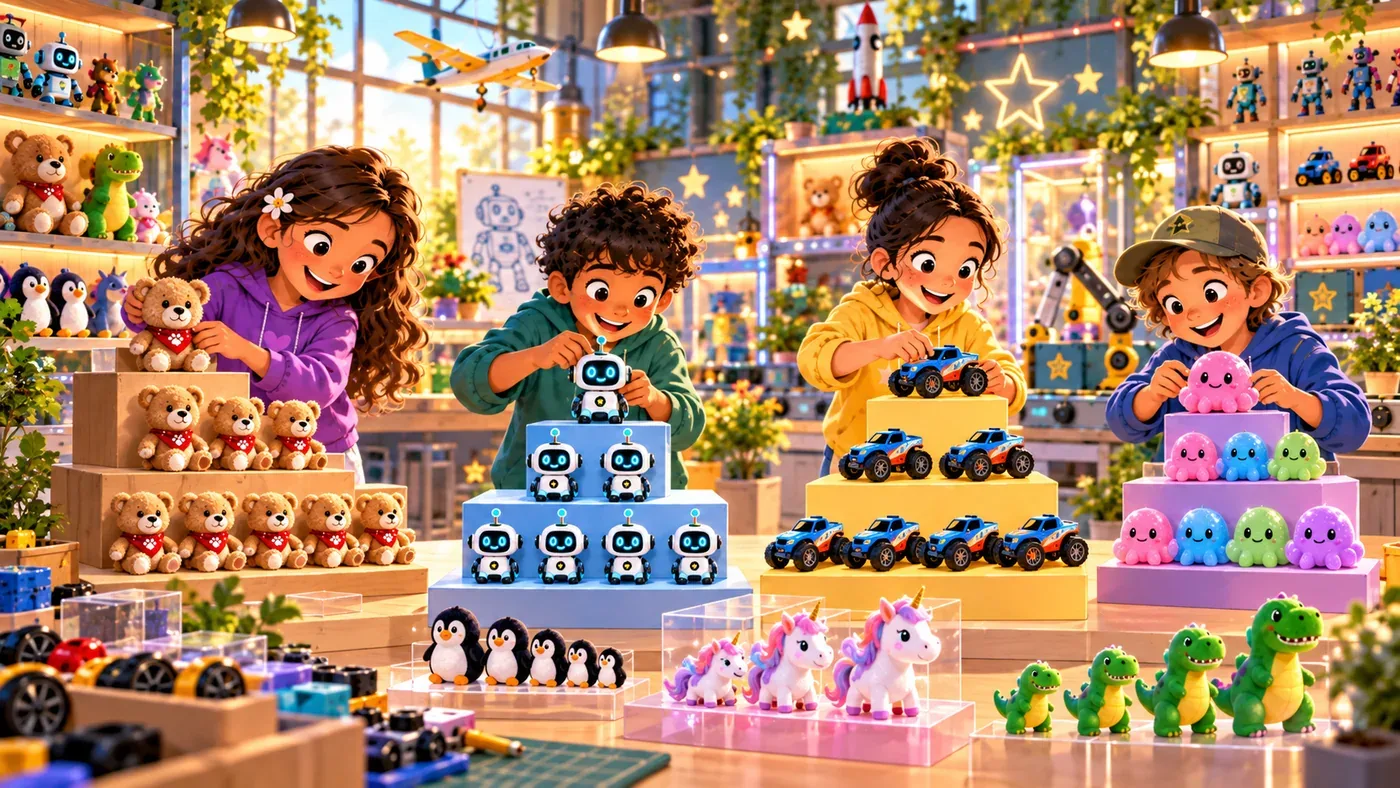
MATHS
Build a Growing Toy Display
05 · Display LabNow use the pattern rule like a Toy Lab display designer. The display must grow in a way that another person can predict.
WHAT AM I LEARNING?
I can design, test and improve an idea against criteria.
YOUR MISSION
Describe a growing toy display rule, test it for two positions and explain one improvement that makes the pattern easier to understand.
TEACH · LEARN THE IDEA
Design is iterative. Create a first solution, test it against clear criteria, identify a weakness and make an improvement.
- STEP 1Write the first three stage totals: 3, 6, 9.
- STEP 2Find the change from one stage to the next and state the rule.
- STEP 3Use the rule to build or draw Stage 4 and Stage 5.
- STEP 4Keep applying the same rule to predict Stage 10, then explain your thinking clearly.
BUILD · TEST · PREDICT
Growing Toy Display Challenge
The launch display grows by 3 prototypes every stage. Build the target amount instead of only typing an answer.
CURRENT TARGET
Stage 4
How many prototypes should be on display?
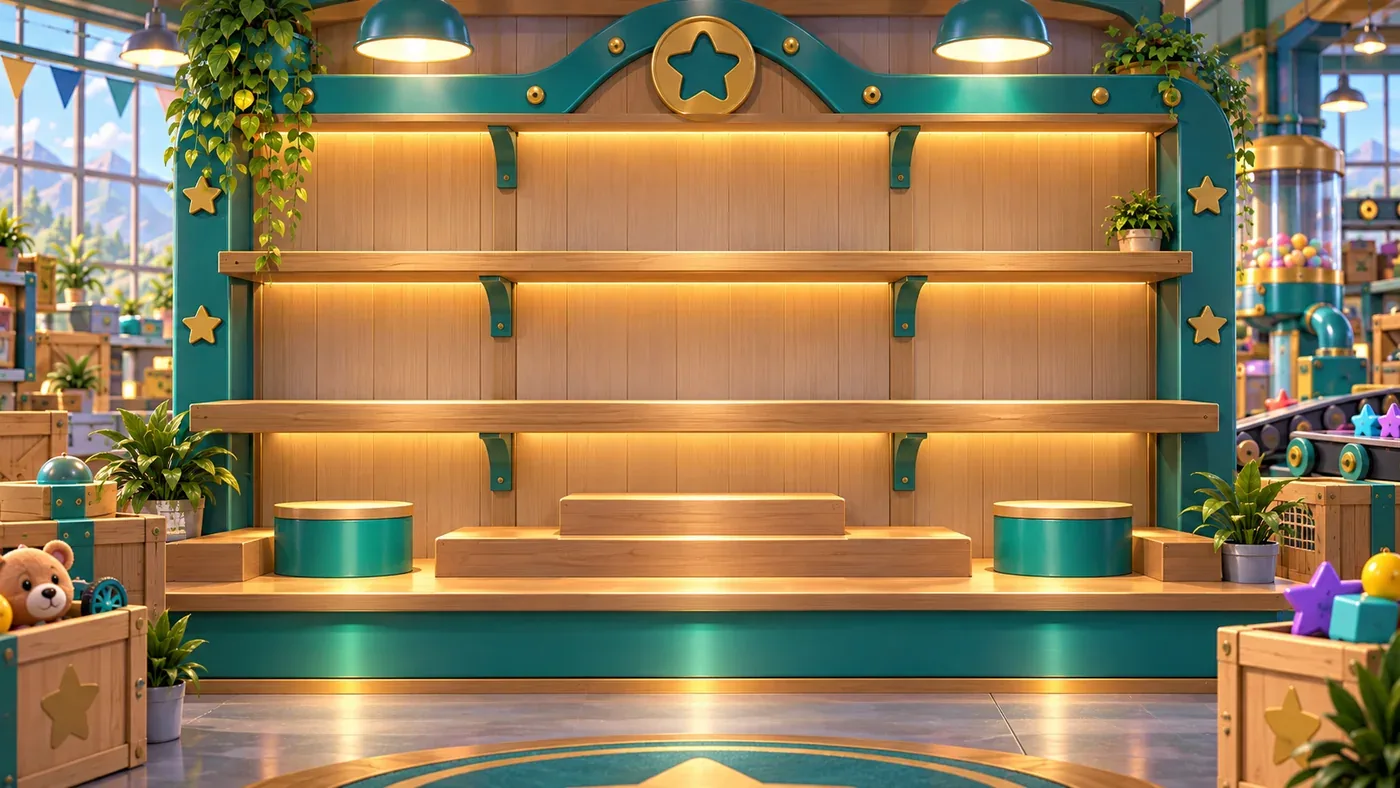
PROTOTYPES0
Stage 4Stage 5Stage 10
YEAR 5 DEEP DIVE · REQUIRED Complete this deeper Year 5 mahi as part of the mission — not as an optional extra.
Do the main mission first, then complete this section. It is deliberately more independent than Year 4 and is part of your weekly homework workload.
YOU TRY
Describe a growing toy display rule, test it for two positions and explain one improvement that makes the pattern easier to understand.
Minimum guide: 70 words. Quality matters: make the reasoning, evidence or design decision clear. □ answers the exact task□ uses specific detail□ ideas are connected□ reread and improved
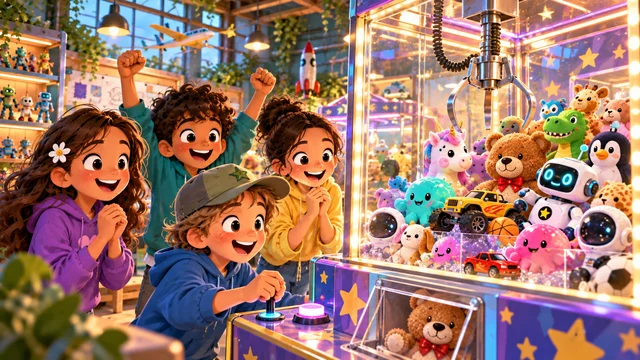
Toy Grabber
06 · Toy ArcadeGAME BREAK
Your custom toy is now hidden inside Toy Grabber. Find the matching prize, move the claw left or right until it is lined up, then drop the claw. Win your target toy to complete the Game Break.
ICONIC ARCADE · TERM 2 · WEEK 5
Toy Grabber
Play first · themed challenge · touch friendlyTOY GRABBERUse the joystick to line up the claw, then press the glowing button.
DROPS LEFT3
PRIZEFIND IT
HOW TO PLAYChoose a toy, line up the claw, then grab it!
📱
PHONE / TABLET
Tap the left or right side of the joystick to move. Press the yellow button to drop the claw.
🖱️
COMPUTER
Click the left or right side of the joystick, then click the yellow button to drop.
⌨️
KEYBOARD
Use ← and → to move. Press Space or Enter to drop the claw.
3 drops each round. Pick any prize from the list. Use PLAY AGAIN or RESET GAME whenever you want another go.
YOUR TARGET PRIZE Your Toy Lab Prize Choose any toy from the prize list.
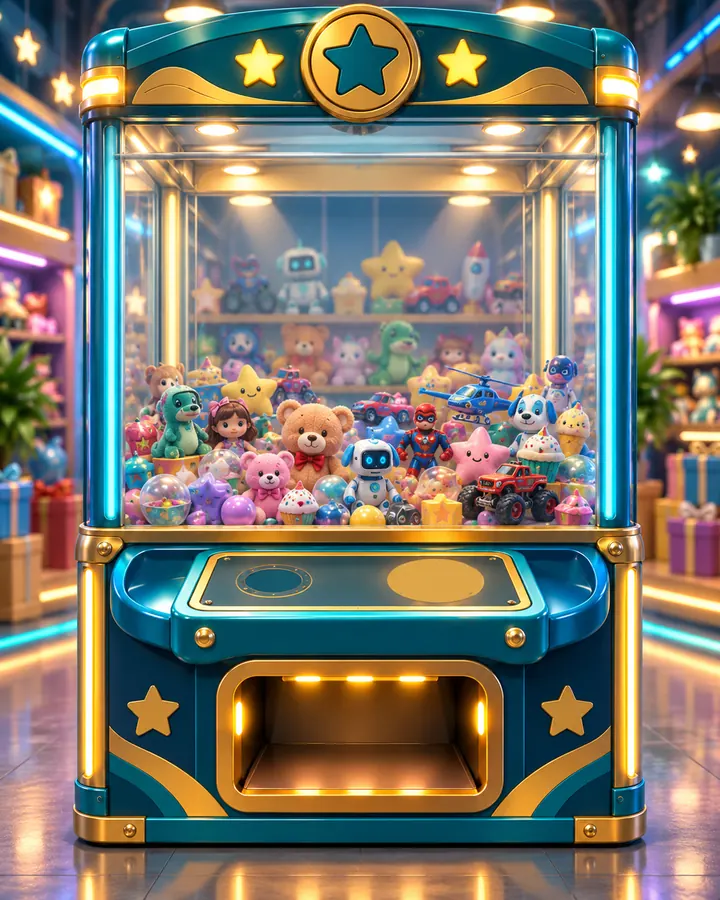
PRIZE CHUTE
YEAR 5 DEEP DIVE · REQUIRED Finish the game, then prove the learning in the final rounds.
Do the main mission first, then complete this section. It is deliberately more independent than Year 4 and is part of your weekly homework workload.
YEAR 5 GAME CHECK
Finish the game first, then use the learning from this week to clear these three final rounds.
Week 5 Check In
07 · Lab DebriefThink back over the Toy Lab missions and notice what you can now explain for yourself.
WHAT AM I LEARNING?
Reflect on independence, challenge level and the next useful Year 5 practice step.
YOUR MISSION
How did you separate persuasive language from evidence?
TEACH · LEARN THE IDEA
Reflection helps you recognise what you understand, where you used help and what would be useful to practise again.
- STEP 1Choose how the week felt.
- STEP 2Name one idea you can explain now, such as audience, persuasive language or a growing-pattern rule.
How did this week feel?
There are no right or wrong answers. Choose what feels true for you.