The base word carries the main meaning.
protect
protect means to keep something safe. TERM 2 · WEEK 4
Protect Our Moana · Cause & Effect · Measurement
ENGLISH
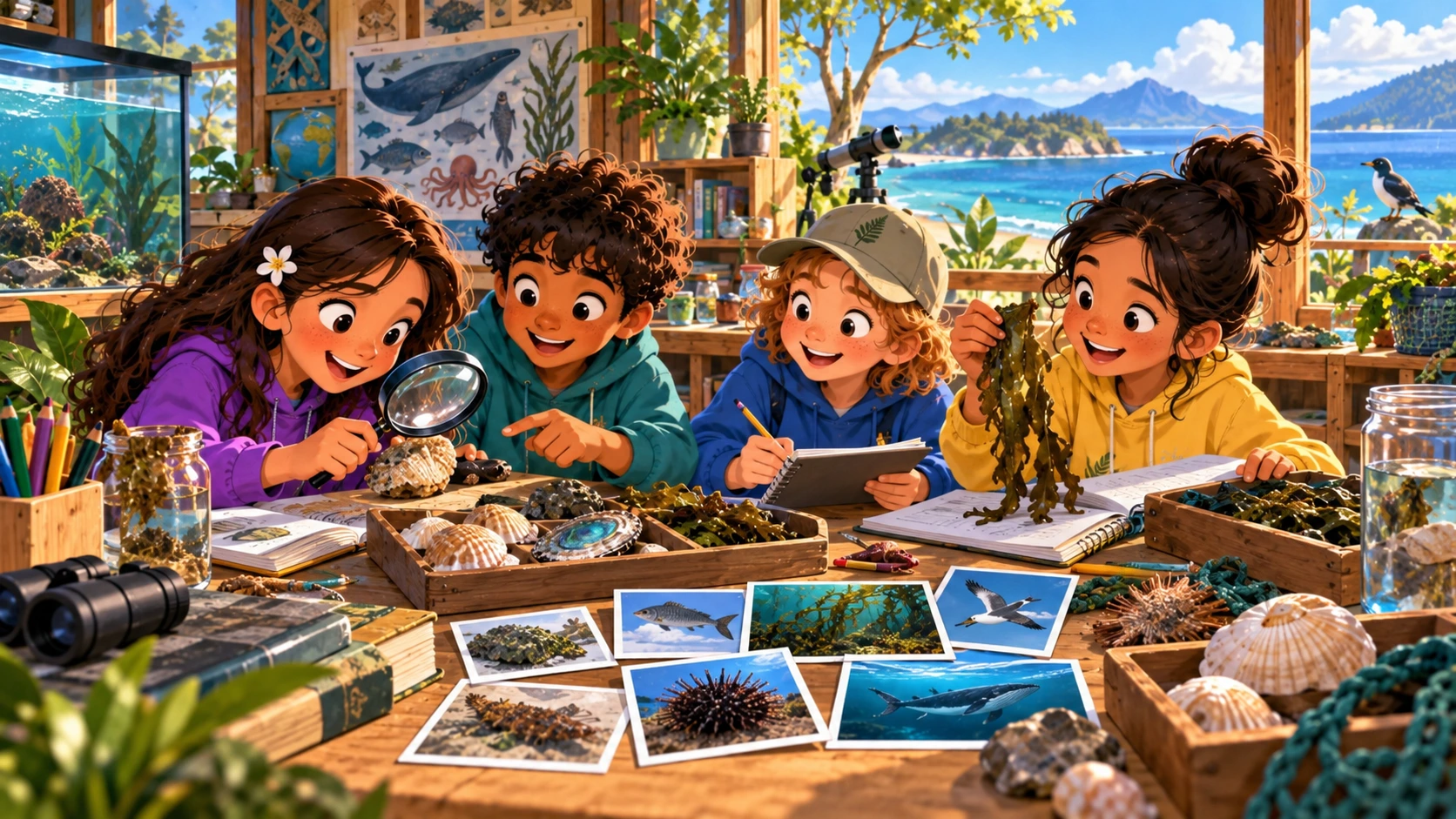
Let’s investigate the words for Protect Our Moana. Look for what changes, then explain what you notice.
Identify base words and common prefixes or suffixes, then explain how the word parts change meaning in an ocean-protection context.
Break apart and investigate: reuse = re + use, unsafe = un + safe, harmful = harm + ful, careless = care + less, overfishing = over + fish + ing, cleanest = clean + est. For each word, identify the base word, the affix or affixes and what the finished word means.
A suffix is an ending added to a word. -ful can mean “full of” or “having”, -less can mean “without”, and -est can show the most. A prefix is a word part added to the beginning of a word. It changes the word’s meaning.
Before you investigate the moana words, learn the three parts you need to spot.
The base word carries the main meaning.
A prefix goes before a base word and changes its meaning.
A suffix goes after a base word. It can change the meaning or the job of the word.
In the word protection, what is -ion?
Tap the pictures, then choose a word. Decide whether it has a base word, a prefix, a suffix, or whether it is simply an important topic word.
ENGLISH · SCIENCE
Read the Protect Our Moana information first. Talk the idea through, then answer one small question at a time.
Identify a cause-and-effect chain and supporting evidence in an explanation about land-based pollution reaching the ocean.
Trace the chain from rubbish on land to the moana. Identify the starting cause, at least two effects in order, and one sentence from the text that explains how people can interrupt the chain.
Evidence is a clue from the text, picture or data that supports your thinking. An inference is an idea you work out from clues. A cause is why something happens. An effect is what happens because of it.
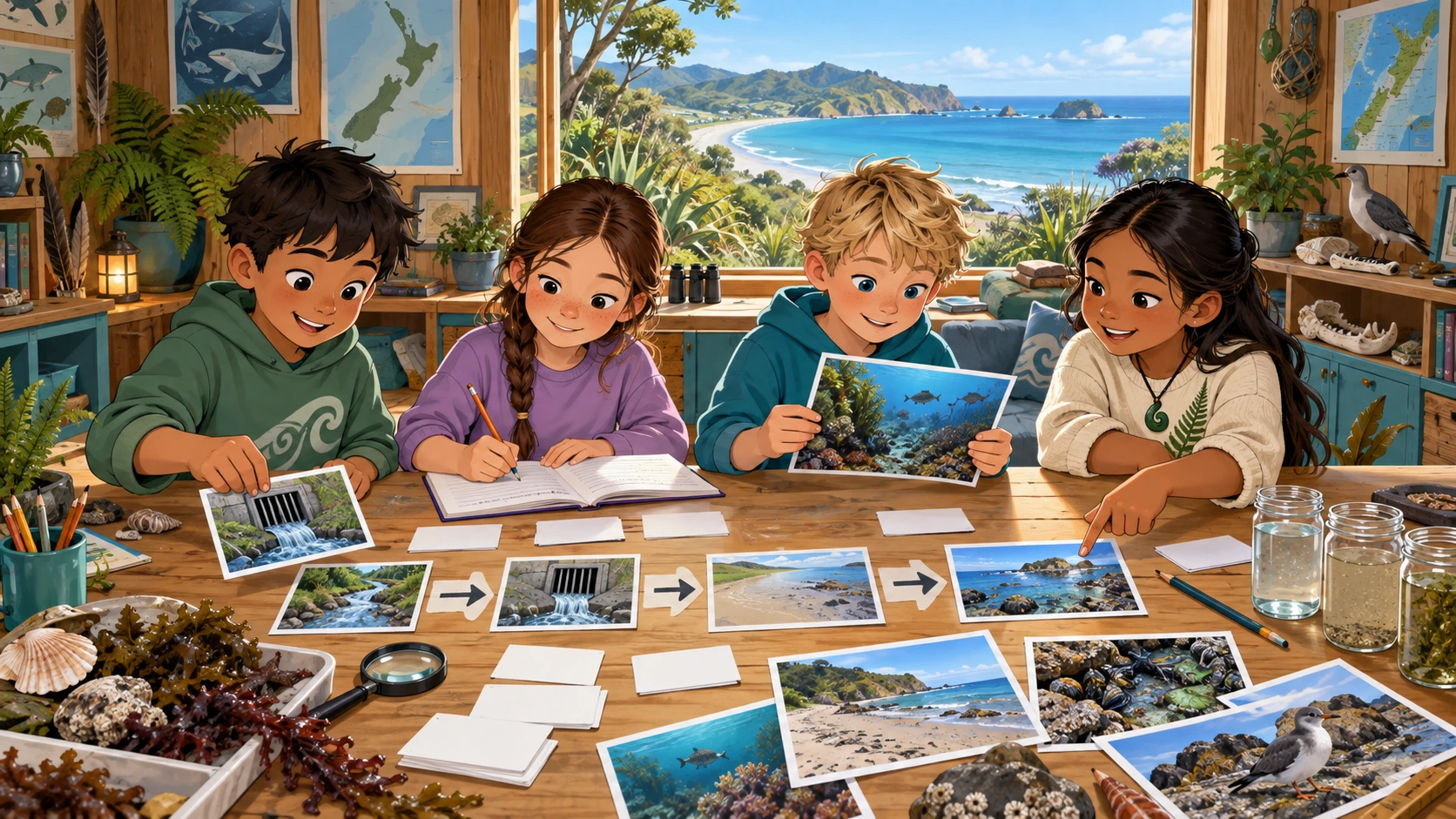
The clue pictures are mixed up on purpose. Drag on a computer, or tap a card and then tap its destination on a phone or tablet.
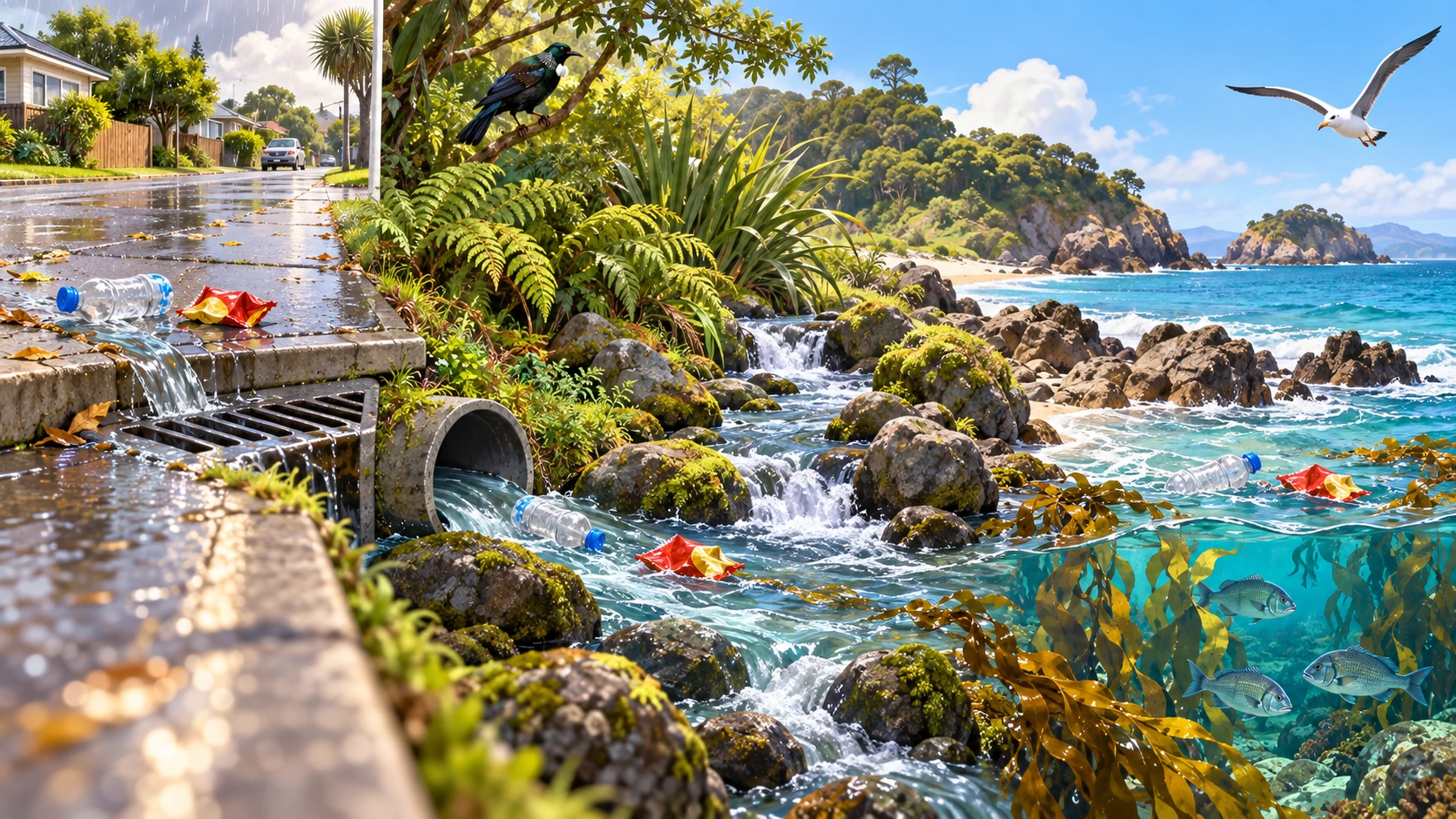
FROM STREET TO SEA — Rubbish dropped on streets or school grounds does not always stay where it lands. When rain falls, light plastic and other litter can be washed towards stormwater drains. Many stormwater drains carry water into streams and other waterways, which can eventually reach the ocean. Plastic that reaches the sea can remain there for a long time. Marine animals may become tangled in it or mistake small pieces for food. Picking up litter and keeping rubbish away from drains helps interrupt this chain before the waste reaches our moana.
ENGLISH
YOUR WRITING JOB: Explain how rubbish from land can reach our moana and affect marine life. Write two paragraphs. Organise your explanation as problem → pathway → effect → action. Use because, therefore, as a result or so at least twice. End with one practical action that can interrupt the chain.
Write a two-paragraph cause-and-effect explanation showing how rubbish can travel from land to the ocean and affect marine life.
Explain how rubbish from land can reach our moana and affect marine life. Write two paragraphs. Organise your explanation as problem → pathway → effect → action. Use because, therefore, as a result or so at least twice. End with one practical action that can interrupt the chain.
A cause-and-effect explanation shows how one event leads to another. Use the reading pathway as evidence, then connect the steps clearly.
Move four evidence pictures onto the planning board. Add a short note under each one, then use your plan to write the explanation.
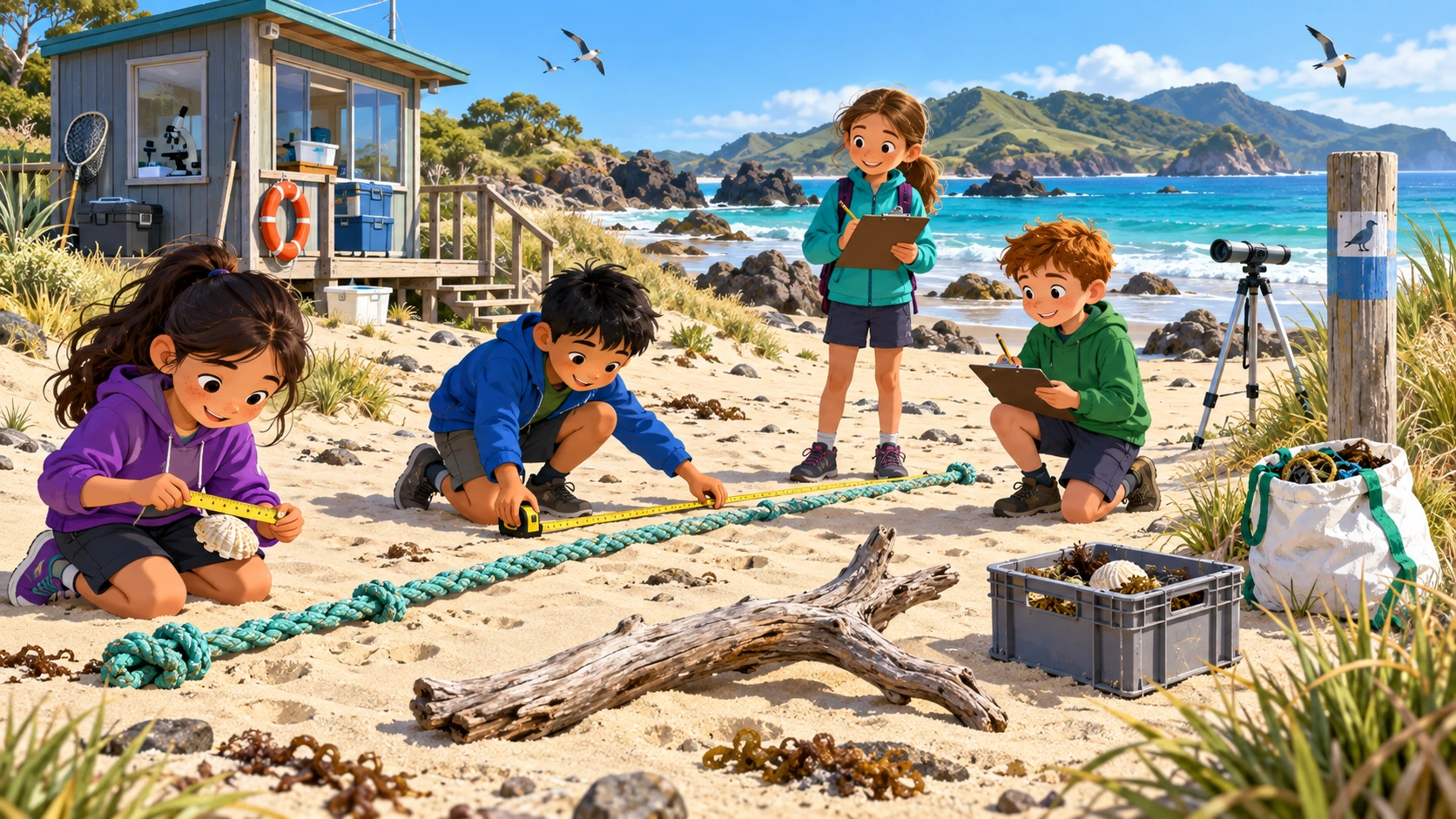
MATHS
Work through one maths question at a time. Your answers will be checked before the next mission unlocks.
Measure and compare coastal lengths and convert between metres and centimetres.
1) A dune-protection rope is 3 m long. How many centimetres is that? 2) A marine survey line is 450 cm long. Write this as metres and centimetres. 3) A boardwalk marker is 2 m 35 cm from the start and the team adds another 40 cm. What is the new distance? 4) Which is longer: a 190 cm survey rope or a 2 m transect line?
Start with the steps below. They show you what to look for and what to do.
Use this guide while you work. In Aotearoa New Zealand we normally measure length with the metric system.
Example: 4 m = 4 × 100 = 400 cm
Example: 370 cm = 3 groups of 100 cm + 70 cm = 3 m 70 cm
Example: 70 mm = 7 cm. 5 cm = 50 mm.
Example: 3 m = 300 cm, so 3 m is longer than 250 cm.
Keep the metres, then add the centimetres: 25 cm + 30 cm = 55 cm. The answer is 1 m 55 cm.
If the centimetres reach 100 or more, trade every 100 cm for another metre.Aotearoa New Zealand uses the metric system, so centimetres, metres and kilometres are the measurements you will usually see. In the United States, people also commonly use measurements such as inches, feet and miles in everyday life. Metric measurements are still used there in areas such as science and medicine.
Each question now uses a complete measurement picture with the object and its scale already lined up. Tap the picture if you want to enlarge it, then type your measurement underneath.
A dune-protection rope is 3 m long. How many centimetres is that?
Look at where the end of the rope lines up on the scale.
A marine survey line is 450 cm long. Write this as metres and centimetres.
Read the line length, then write it in metres and centimetres.
A boardwalk marker is 2 m 35 cm from the start and the team adds another 40 cm. What is the new distance?
Use the picture to follow the starting distance and the extra distance.
Which is longer: a 190 cm survey rope or a 2 m transect line?
Compare the two measurements and decide which one is longer.
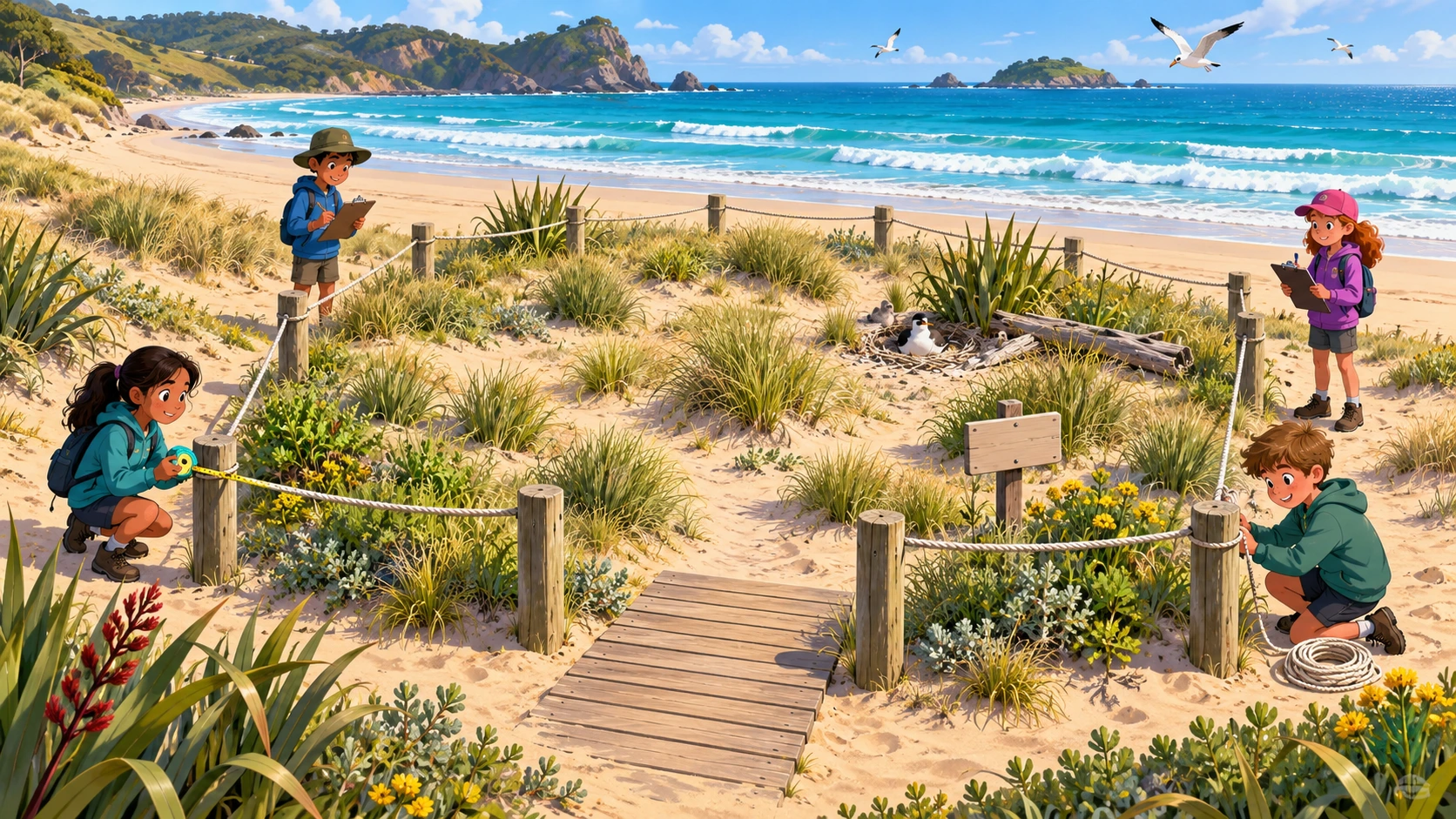
MATHS
This is your real-world Protect Our Moana challenge. Work out what the problem asks you to find or make.
Calculate perimeter and use measurement to plan a practical boundary around a coastal restoration area.
A protected dune restoration area is a rectangle 8 m long and 5 m wide. 1) Calculate its perimeter. 2) The plan leaves a 2 m entrance gap with no rope. How many metres of rope are needed for the rest of the boundary? 3) Say where you would place the entrance or a protection sign and give one practical reason.
Perimeter is the distance all the way around a shape. Area is the space inside a flat shape.
You made a rough sketch on the blueprint brief above. Now turn that draft into an accurate scaled build: every small square is 0.5 m.
The grid uses a scale of 1 square = 0.5 m. Build a 3 m × 2 m protected habitat, then surround it with a 4 m × 3 m rope enclosure. That leaves a 0.5 m buffer around the habitat. Your rope also needs one 2 m entrance.
The plants nearest the sea need to cope with wind, salt and moving sand. More sheltered plants belong further back. Use this guide before you build.
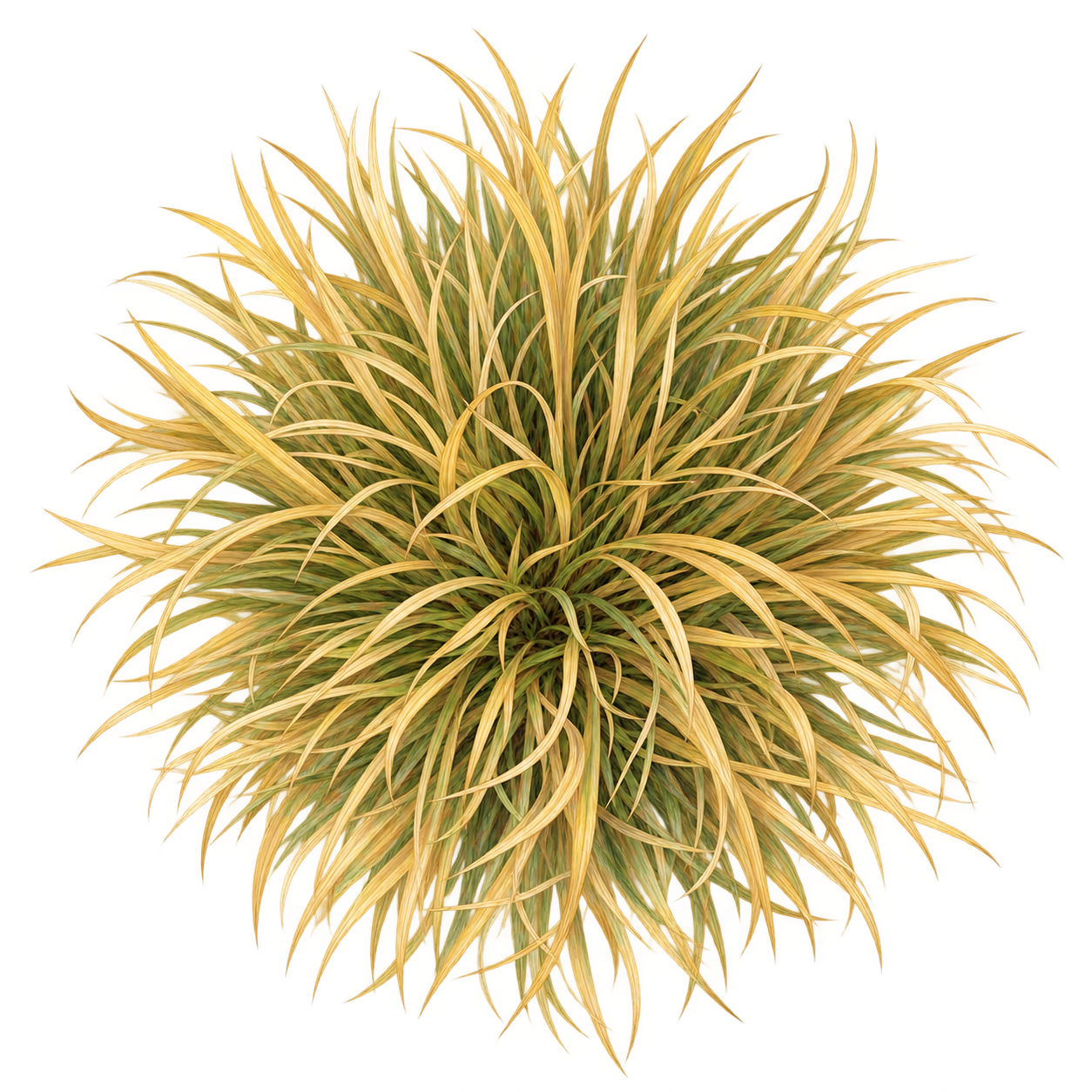 Pīngao
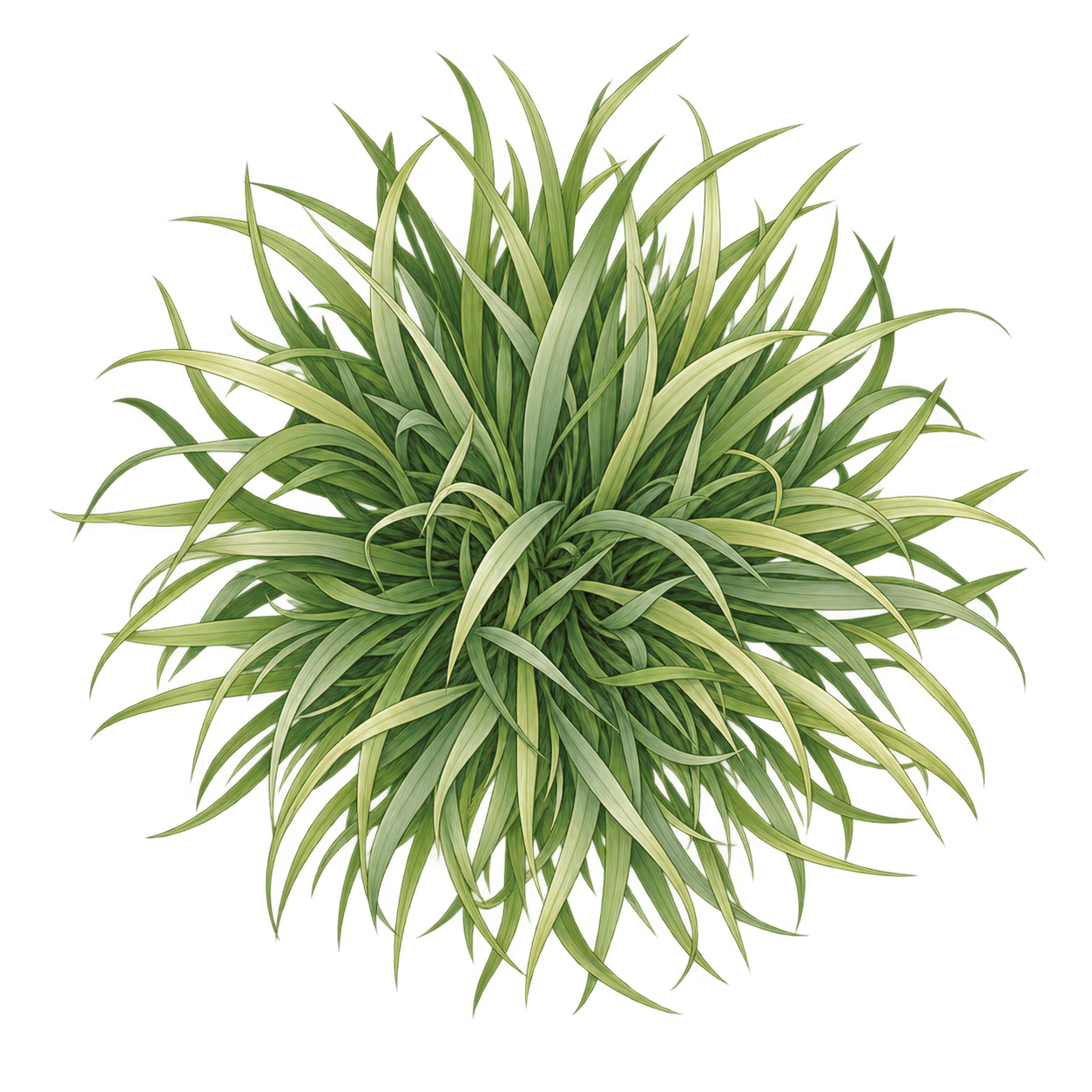 Spinifex
These are strong dune-building plants. Their roots and runners help trap sand and hold the front of the dune together.
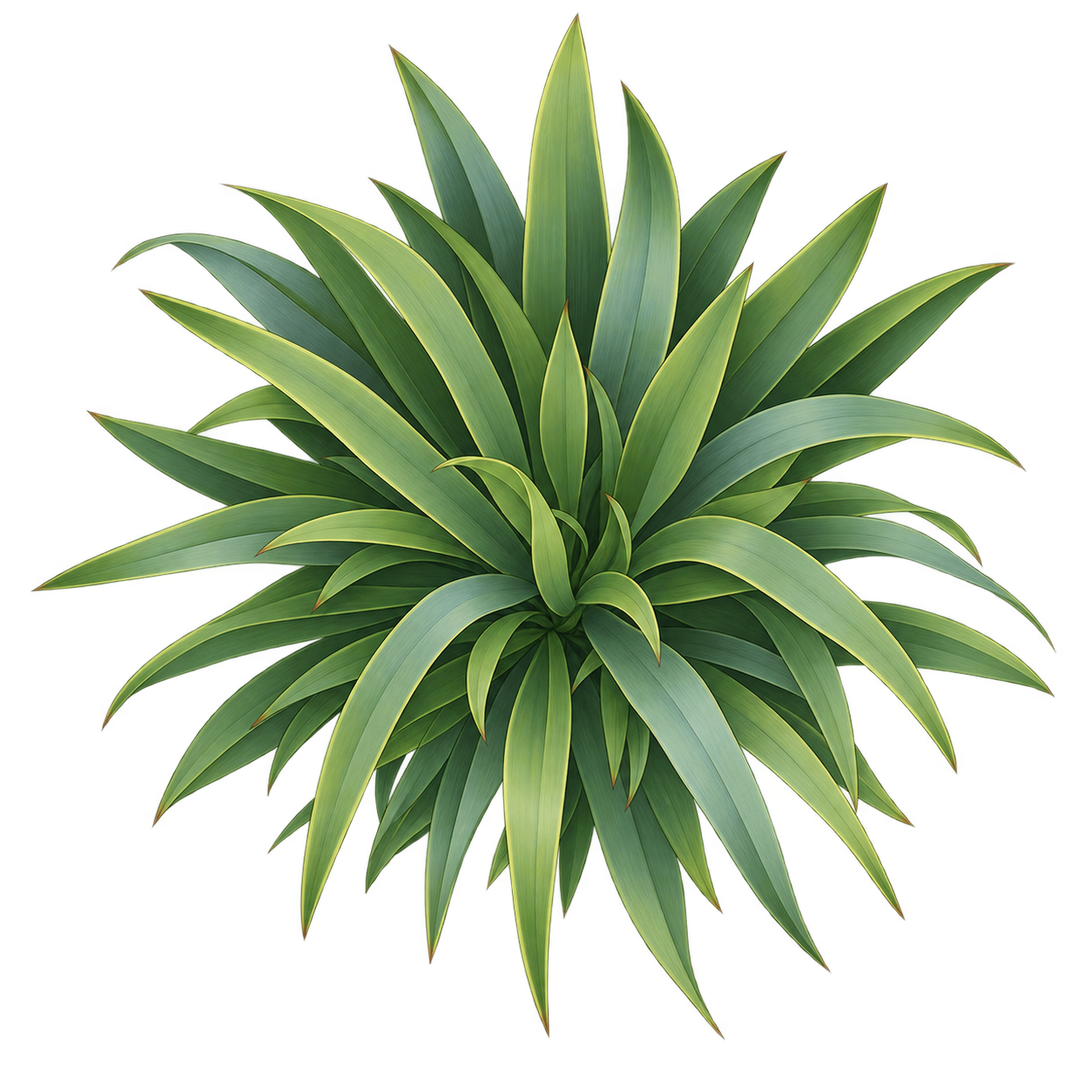 Harakeke
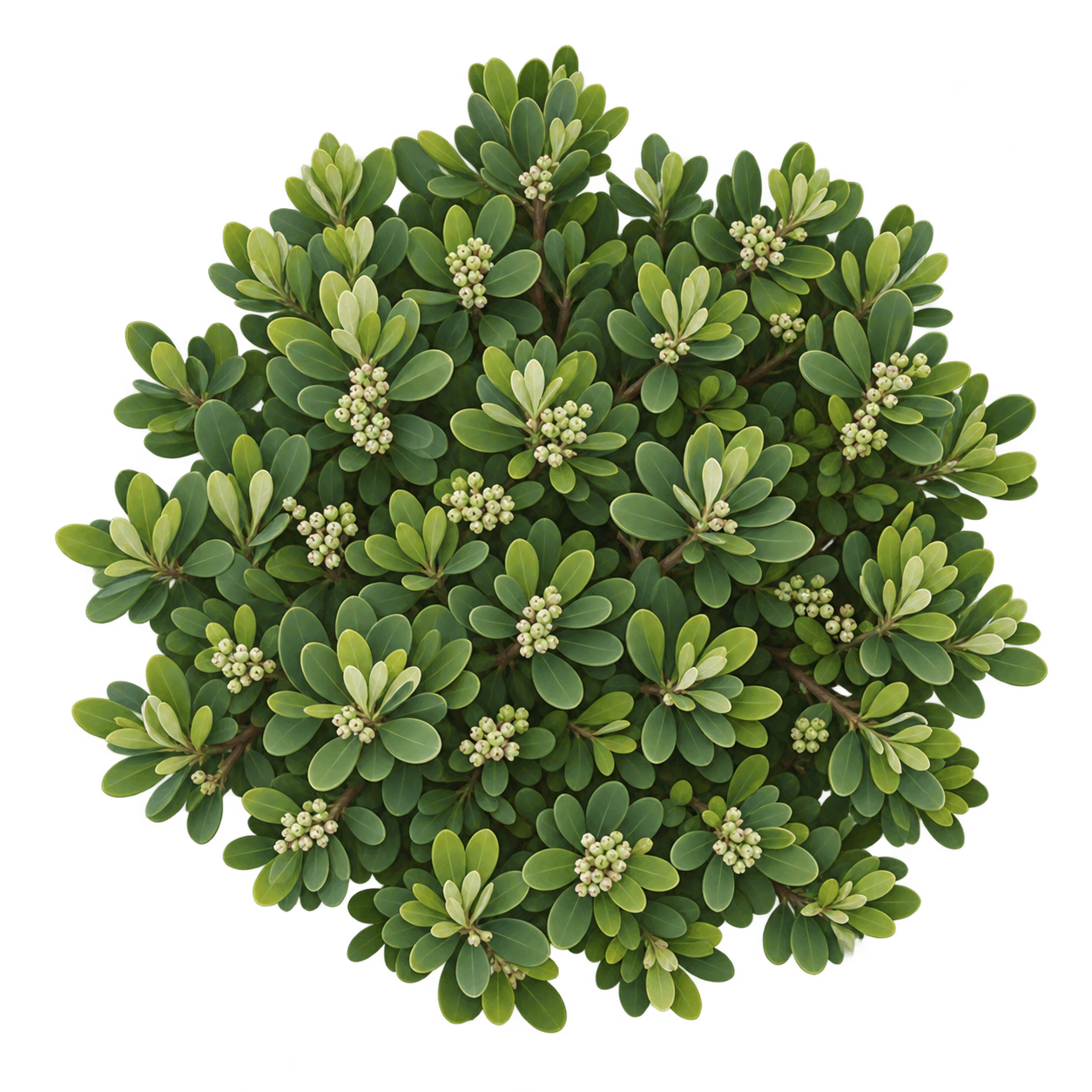 Coastal shrub
 Sand coprosma
Harakeke and shrubs prefer a more stable position. Place them behind the front-dune plants, beside protected edges, or near the boardwalk.
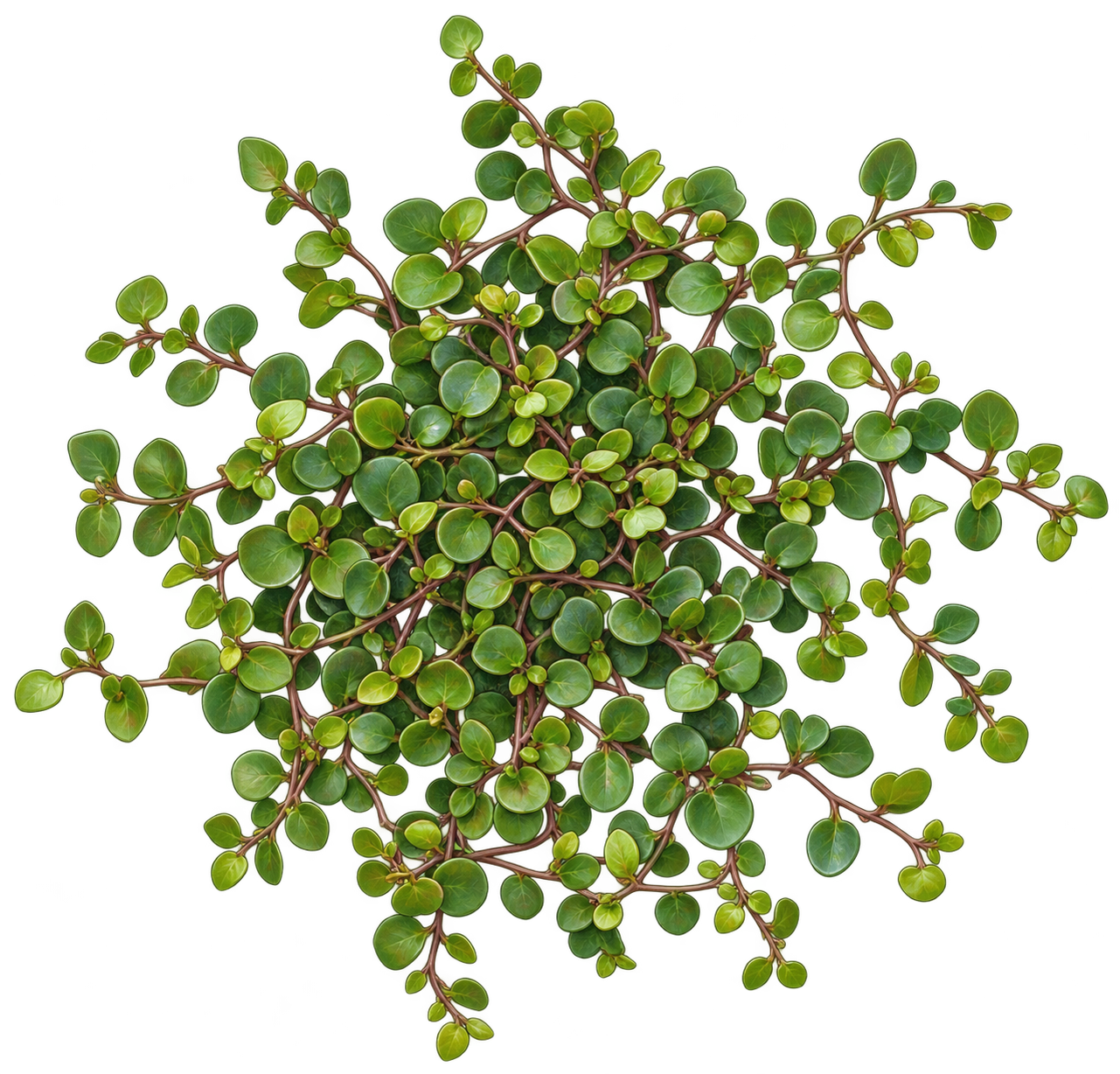 Pōhuehue
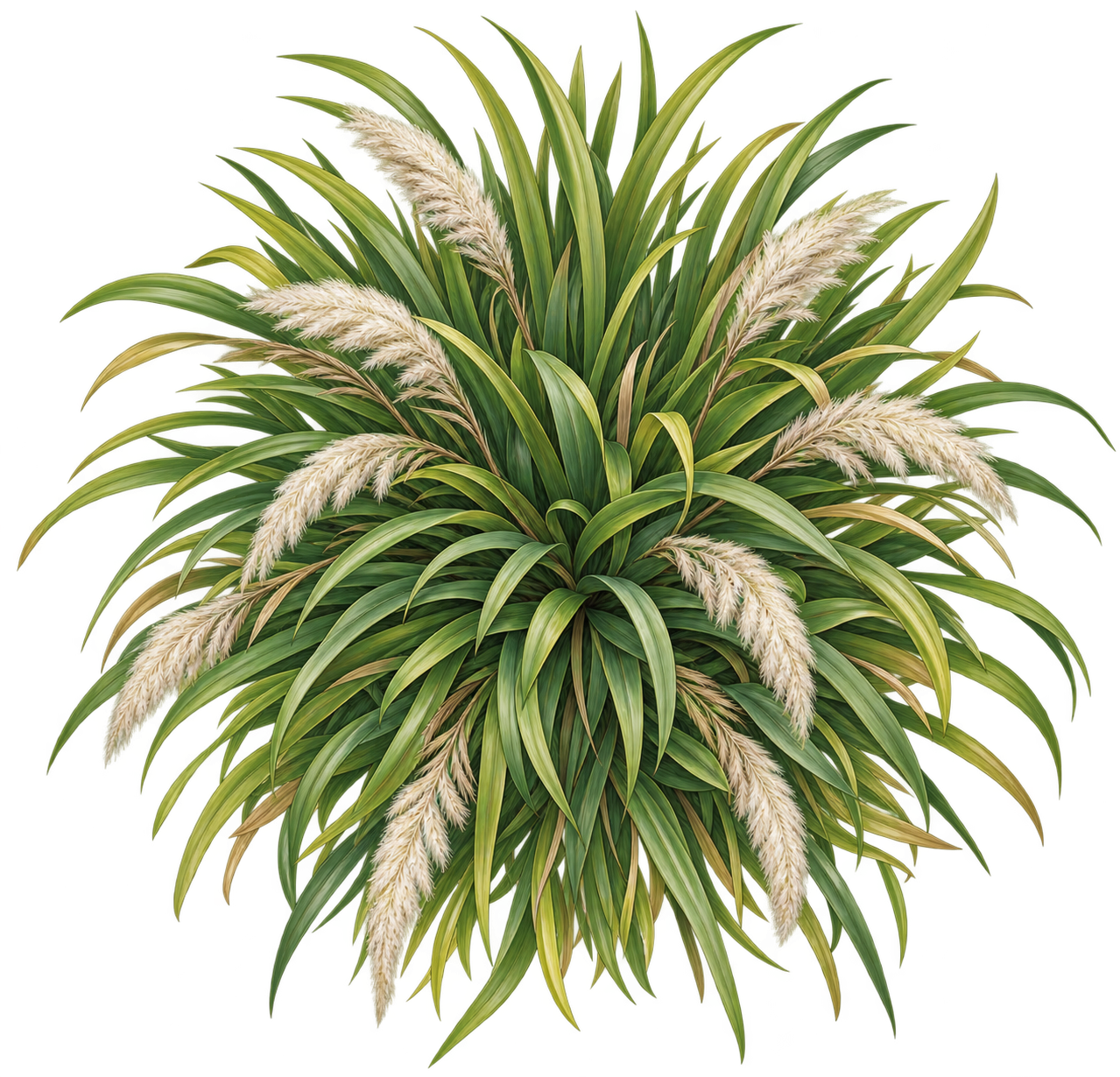 Toetoe
These can add shelter and variety to the restored area. Do not cover the entrance or block the boardwalk.
SCIENCE
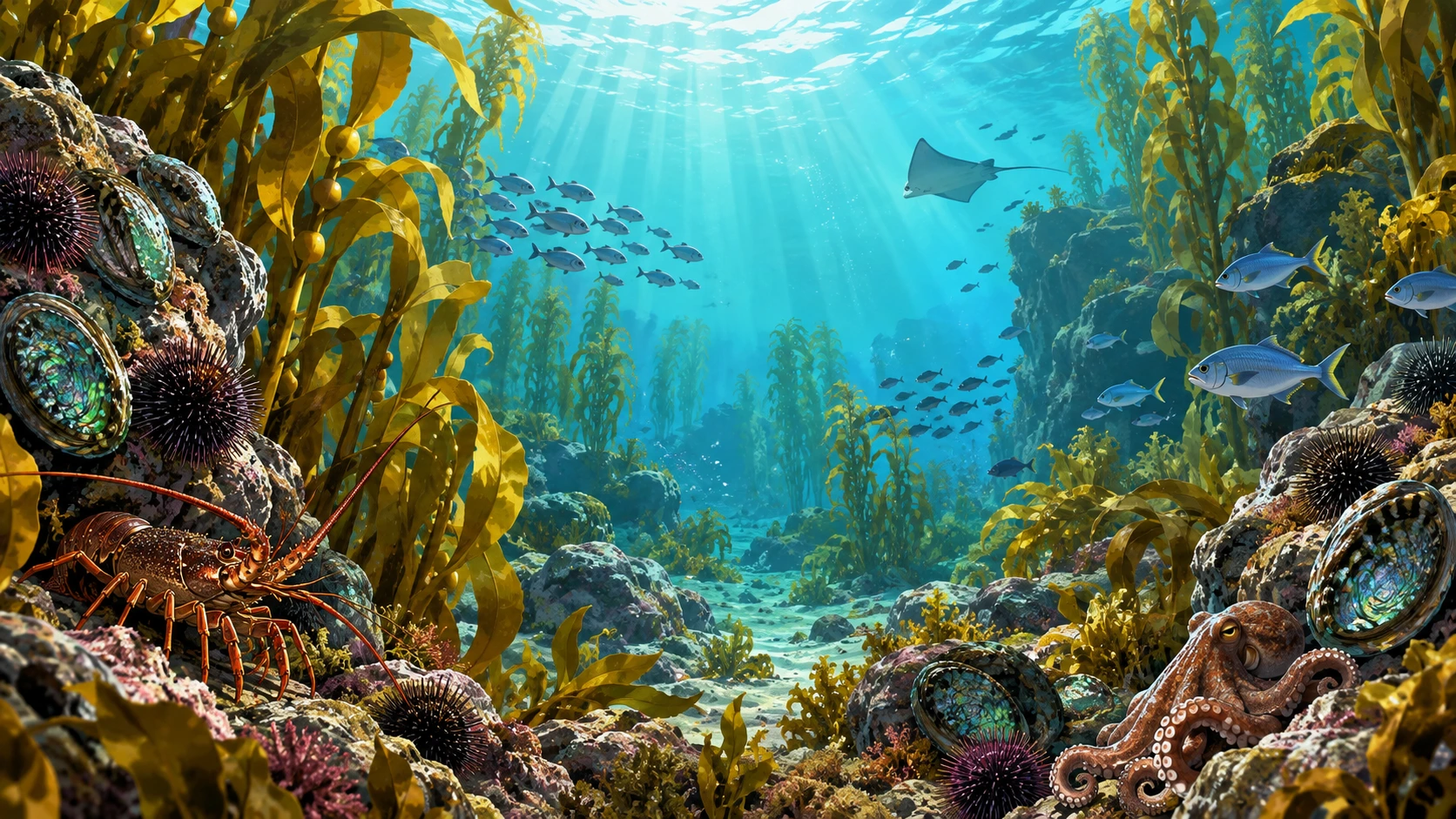
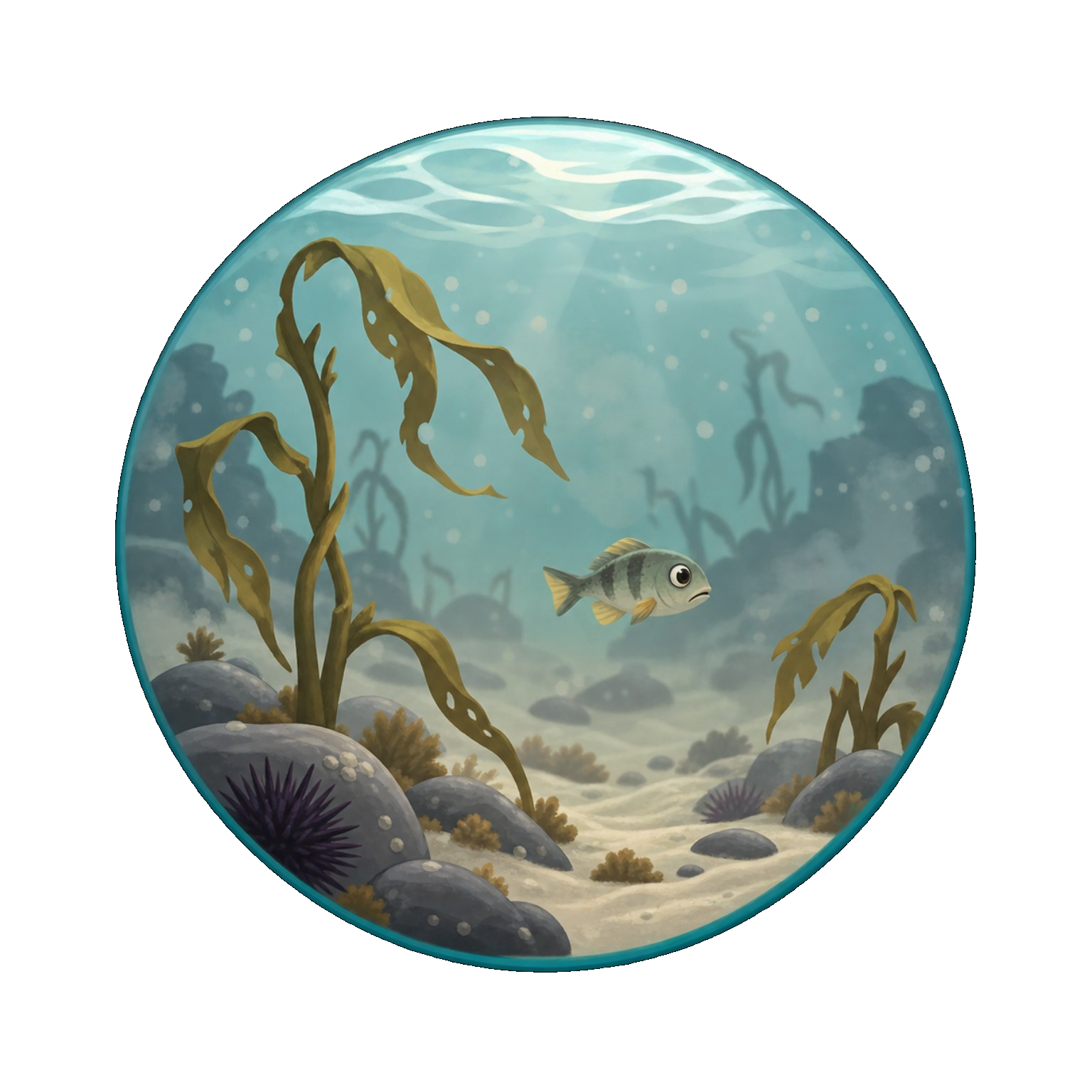
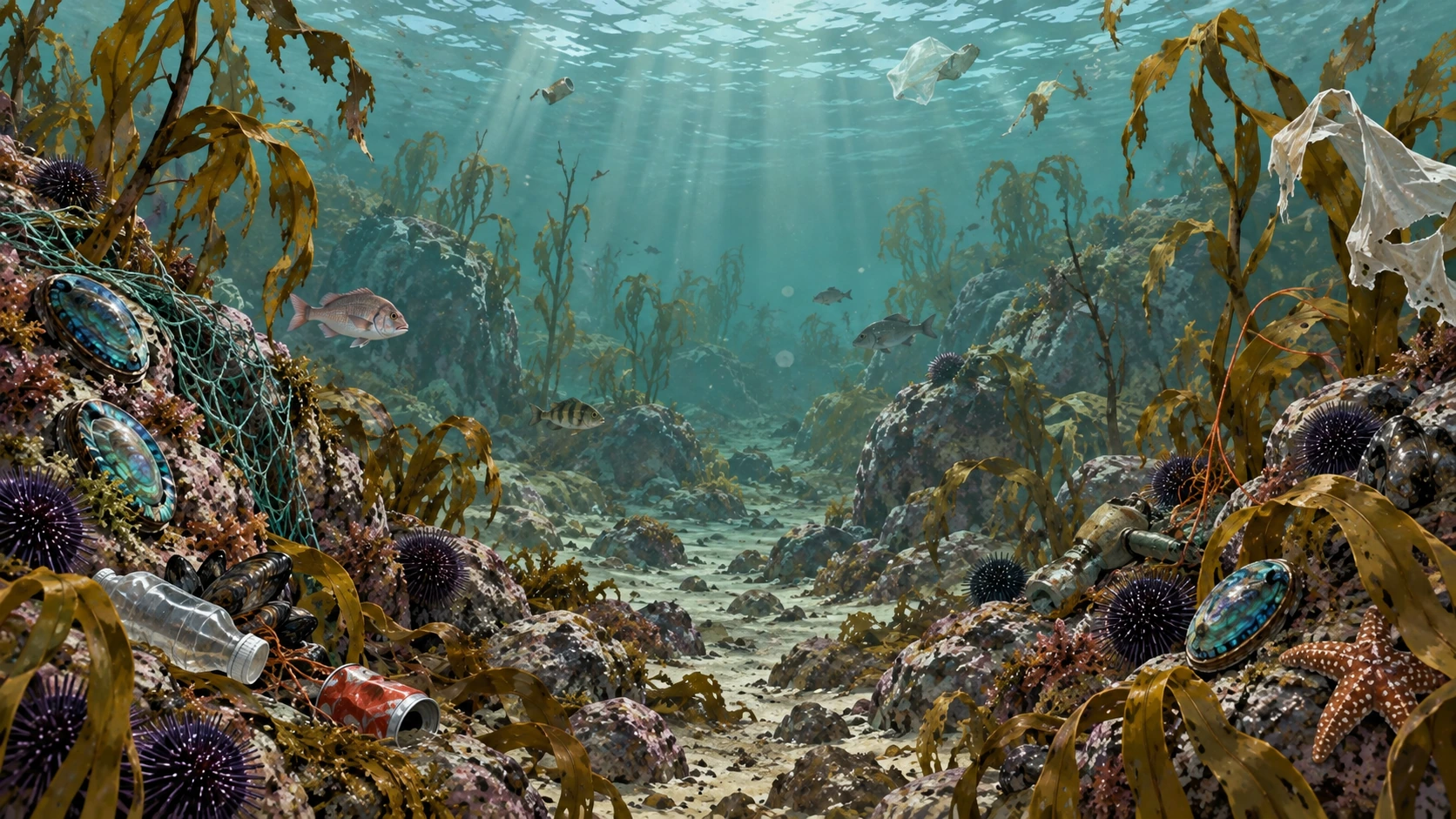
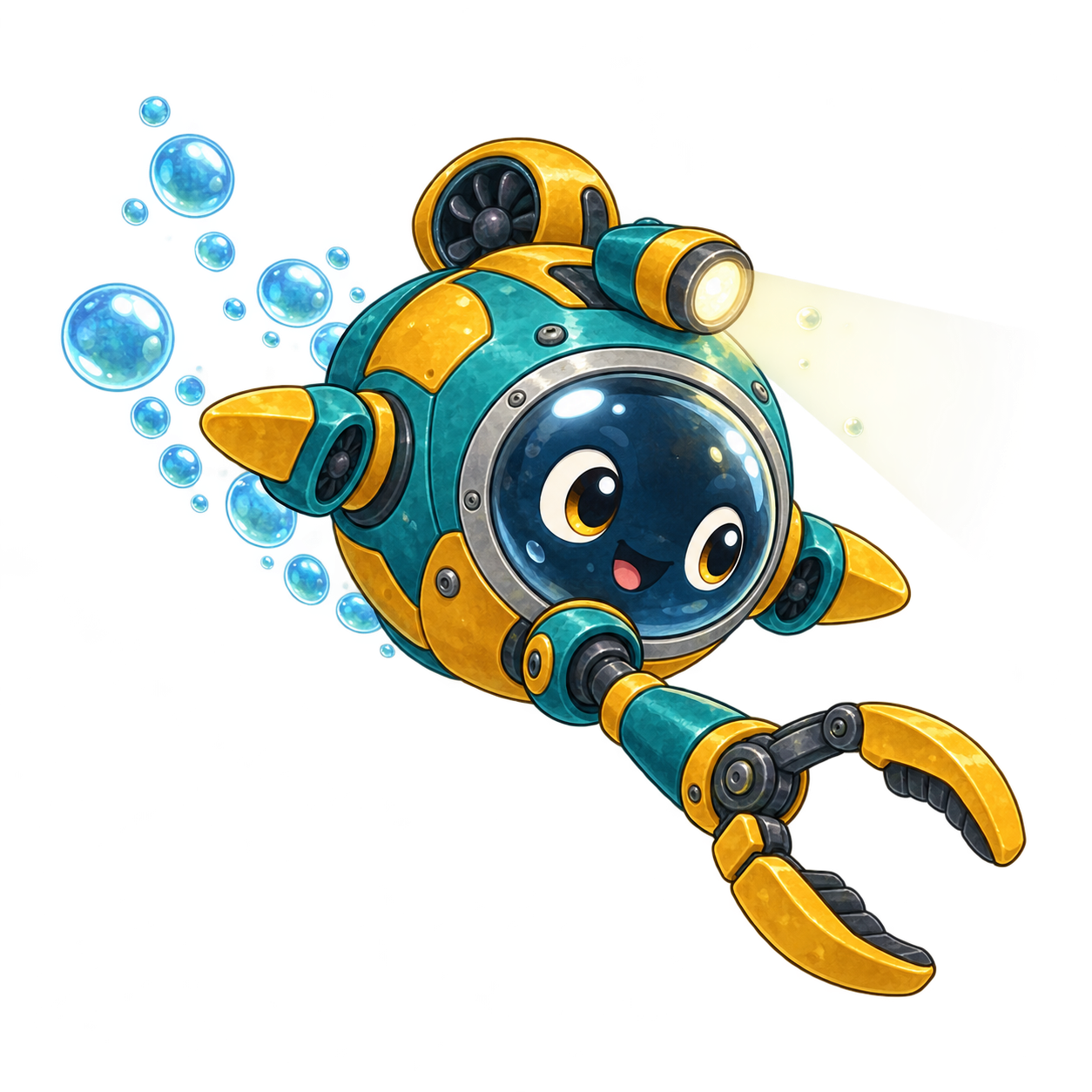
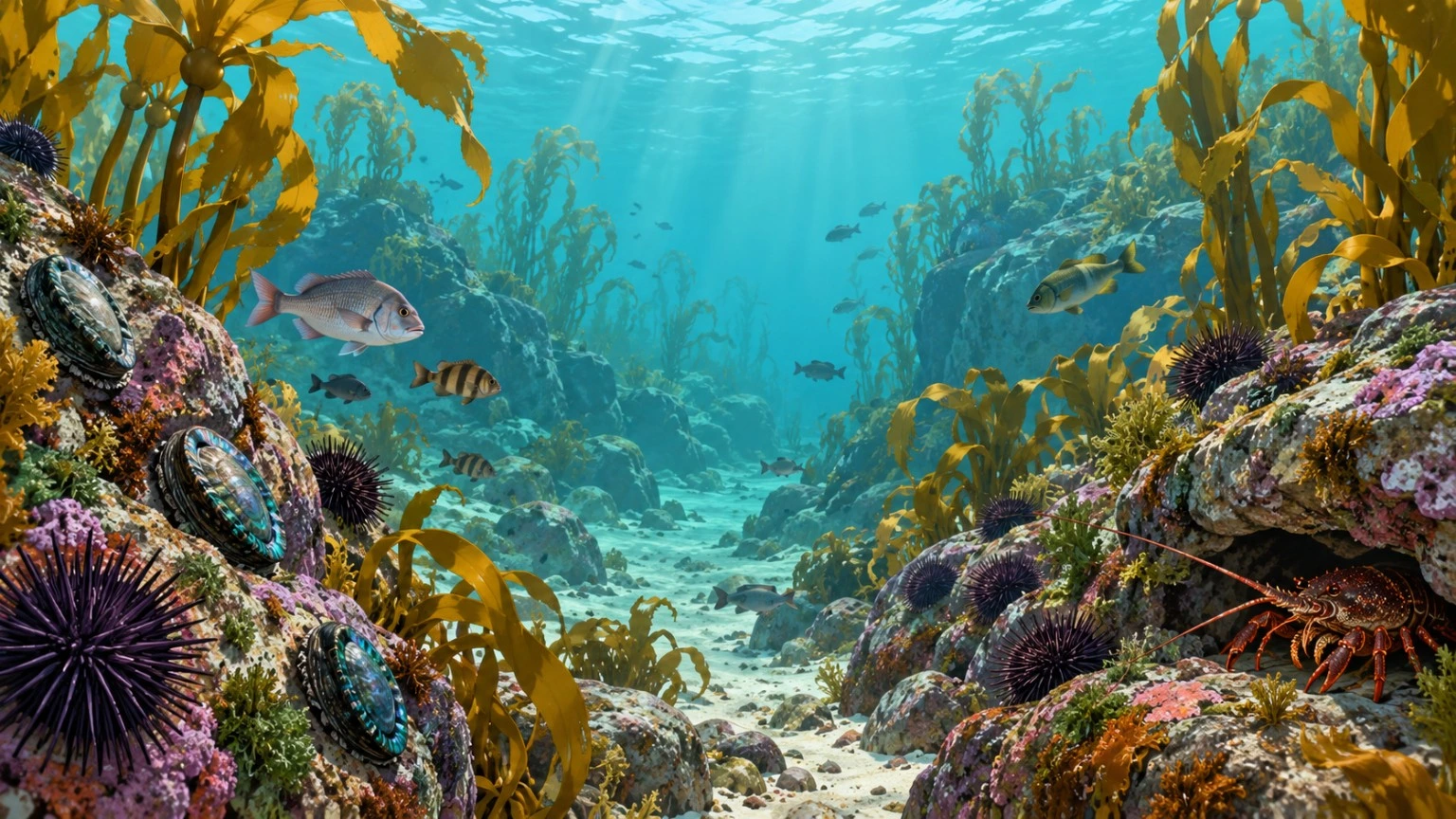
Reef Rescue has three missions: steer the Kaitiaki ROV to collect rubbish, defend the reef by matching each threat with the right action, then return marine life to the habitat where it belongs. Complete all three levels to finish the Game Break.
ICONIC ARCADE · TERM 2 · WEEK 4
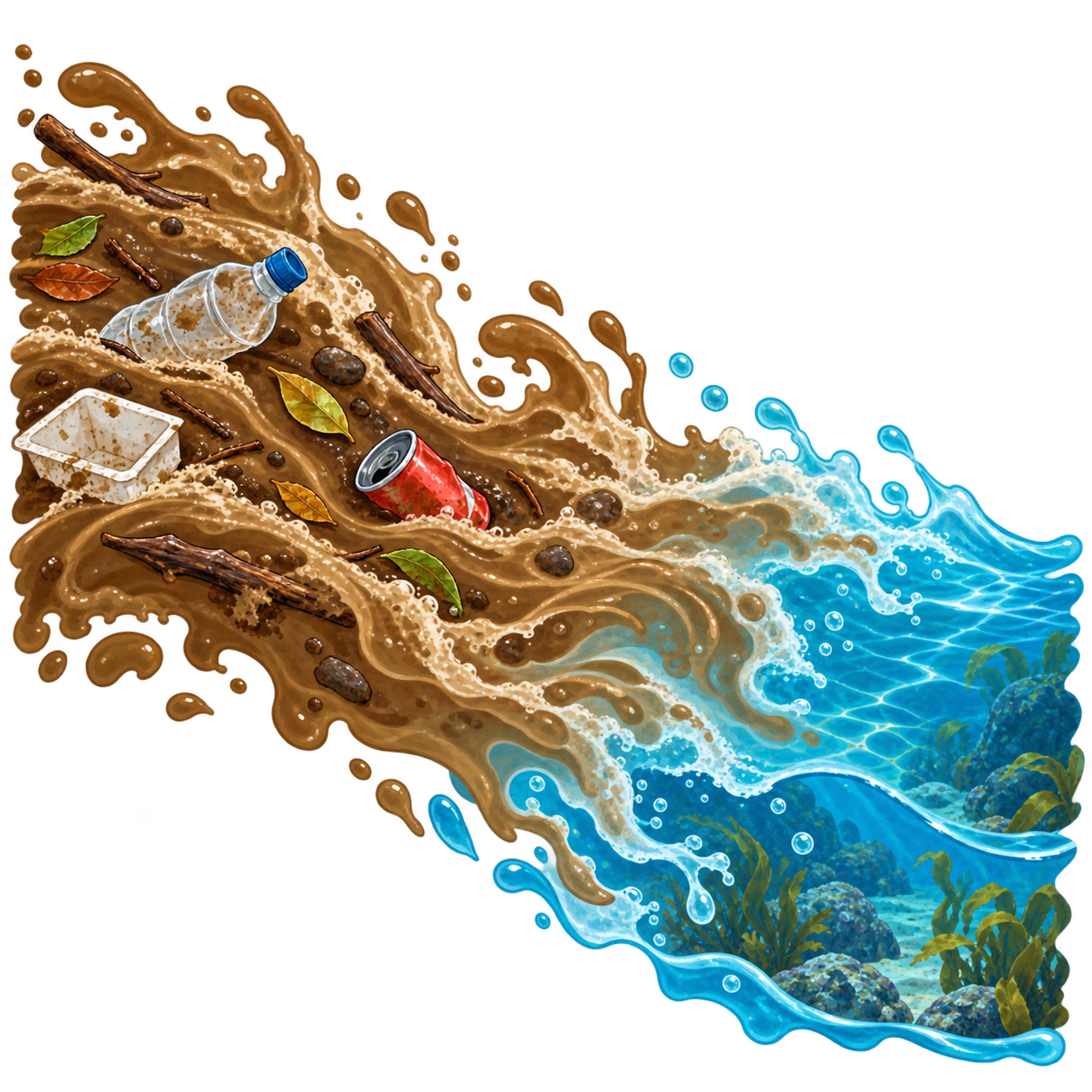 Dirty runoff
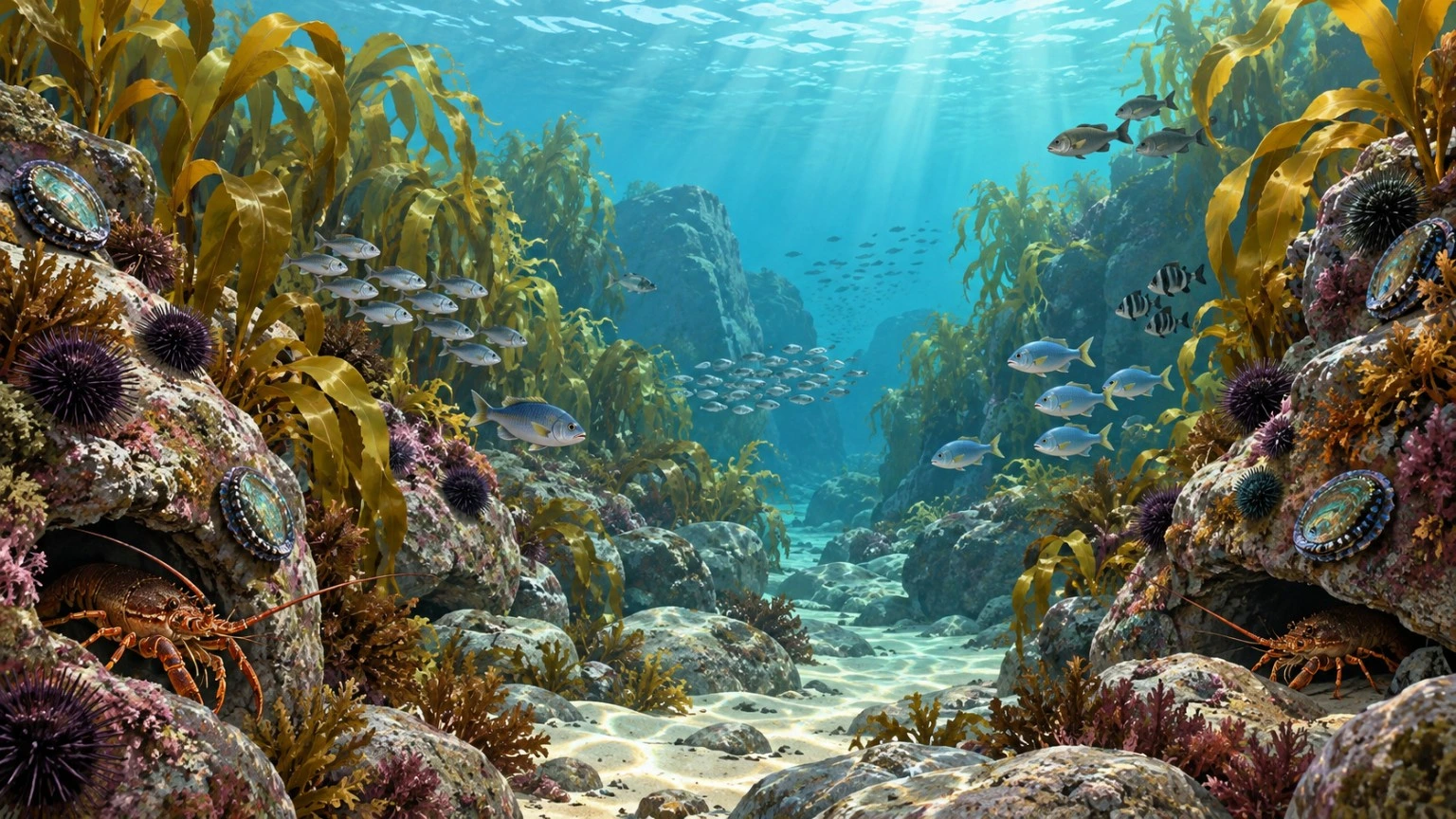
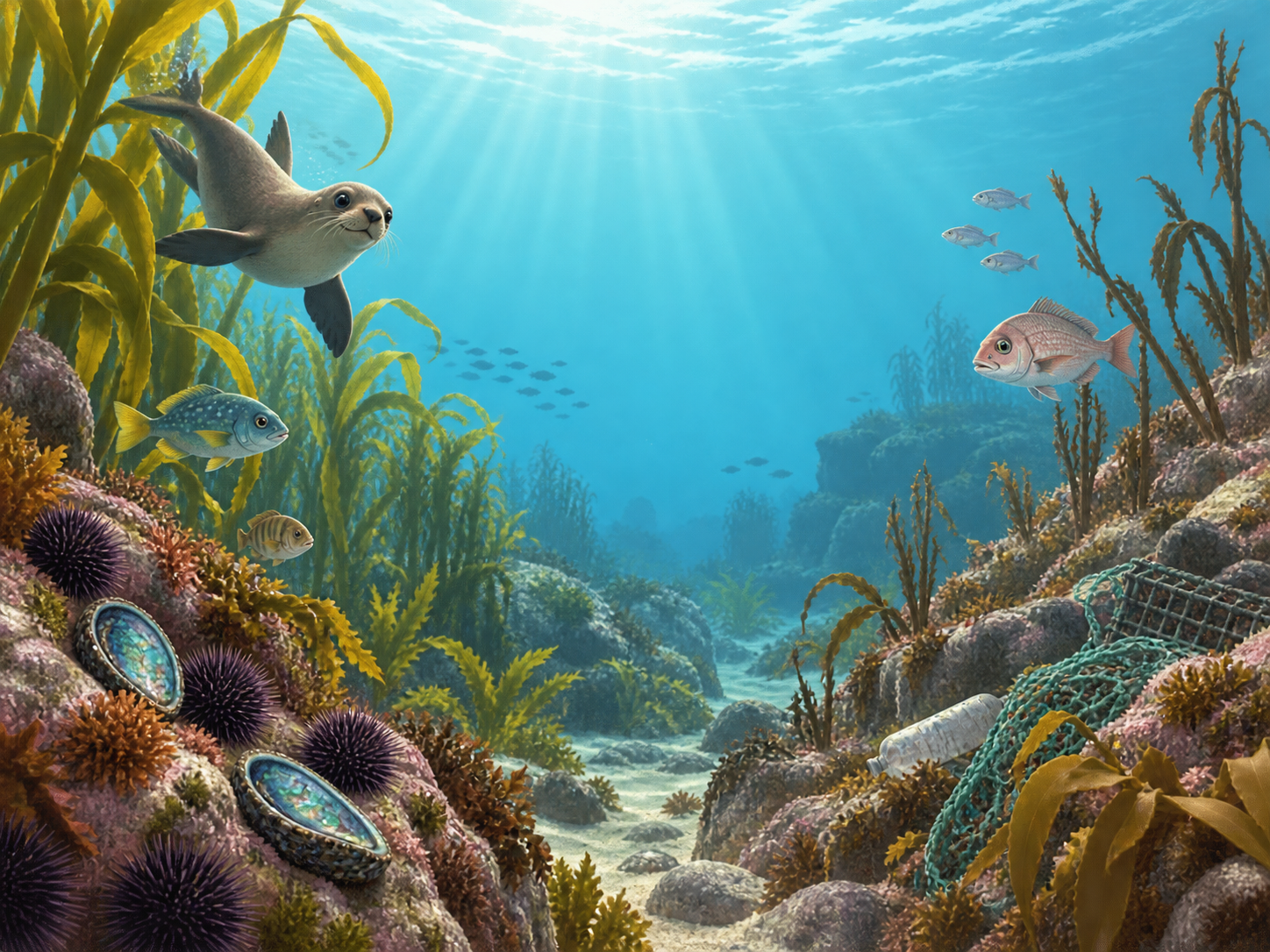
Clean the rubbish, defend the reef from new threats, then rebuild the habitat.
You cleaned pollution, stopped new threats and returned marine life to the right habitats.
This part is about your own learning. There are no right or wrong feelings.
Reflect on independence, challenge level and the next useful practice step.
Choose: Mostly by myself / Some help / Another go. Optional prompt: 'One thing I can explain now is…'
Choose what feels true for you, then write one thing you understand better now.
There are no right or wrong answers. Choose what feels true for you.
Everyone learns differently. Choose anything that helps you. You can change these anytime.
Need something later? Tap your Homework Club buddy. Help is for everyone.