LINE 1 Mini Bots
4toys8toys12toys16toys?next
What comes next?
What is the rule?
TERM 2 · WEEK 5
Create the Next Big Thing · Persuasion · Patterns · Design
ENGLISH
Before the Toy Lab can launch a prototype, we need to know how persuasive language works — and how to keep it truthful.
Recognise persuasive vocabulary and distinguish checkable facts, persuasive opinions and calls to action in toy advertising.
The Toy Lab is preparing a prototype launch. Sort each line as FACT, PERSUASIVE OPINION or CALL TO ACTION: 'The Robo-Racer has four wheels.' 'This super-fast mini racer is an awesome desk toy.' 'Choose your favourite design today!' Then improve the plain description 'This is a soft squishy toy' by adding two persuasive words without turning an opinion into a fake fact.
A FACT can be checked. A PERSUASIVE OPINION gives a positive judgement or feeling. A CALL TO ACTION tells the audience what to do next. Strong adverts often use all three. Persuasive words can make a toy sound exciting, but an opinion should not be disguised as a fact.
Tap a statement, then send it to the category that fits. Use the teaching rule above if you are unsure.
ENGLISH
Toy adverts are designed for a particular audience. Read like an advert detective: work out who the message is for, what it wants them to do and which clues prove your answer.
Identify target audience, purpose, persuasive techniques and checkable evidence in a fictional toy advertisement.
Who is this toy advert aimed at, and what evidence tells you that? What does the advert want the audience to do? Identify two persuasive words or phrases, one call to action and one fact that can be checked.
AUDIENCE means the people an advert is designed for. PURPOSE means what the advert wants that audience to think or do. Look for evidence such as age information, product features, word choices and calls to action. Then separate checkable facts from persuasive language.
Find four different clues. Each clue tells you something about the audience, the facts, the persuasive language or the action the advert wants you to take.
Choose a Squish Crew creature for your backpack, desk or collection.
Each one is and comes in one of six colourful designs.
The soft, slow-rise foam makes every character .



0 / 4 clue types found
MEET THE SQUISH CREW — Choose a pocket-sized Squish Crew creature for your backpack, desk or collection. Each one is 8 cm tall and comes in one of six colourful designs. The soft, slow-rise foam makes every character satisfyingly squishy. Ages 7+. Pick your favourite character and start your crew!
ENGLISH
YOUR DESIGN JOB: Build a custom toy first, then create the words for its launch advert.
Create concise, truthful persuasive copy for a fictional toy, aimed at a clearly identified audience.
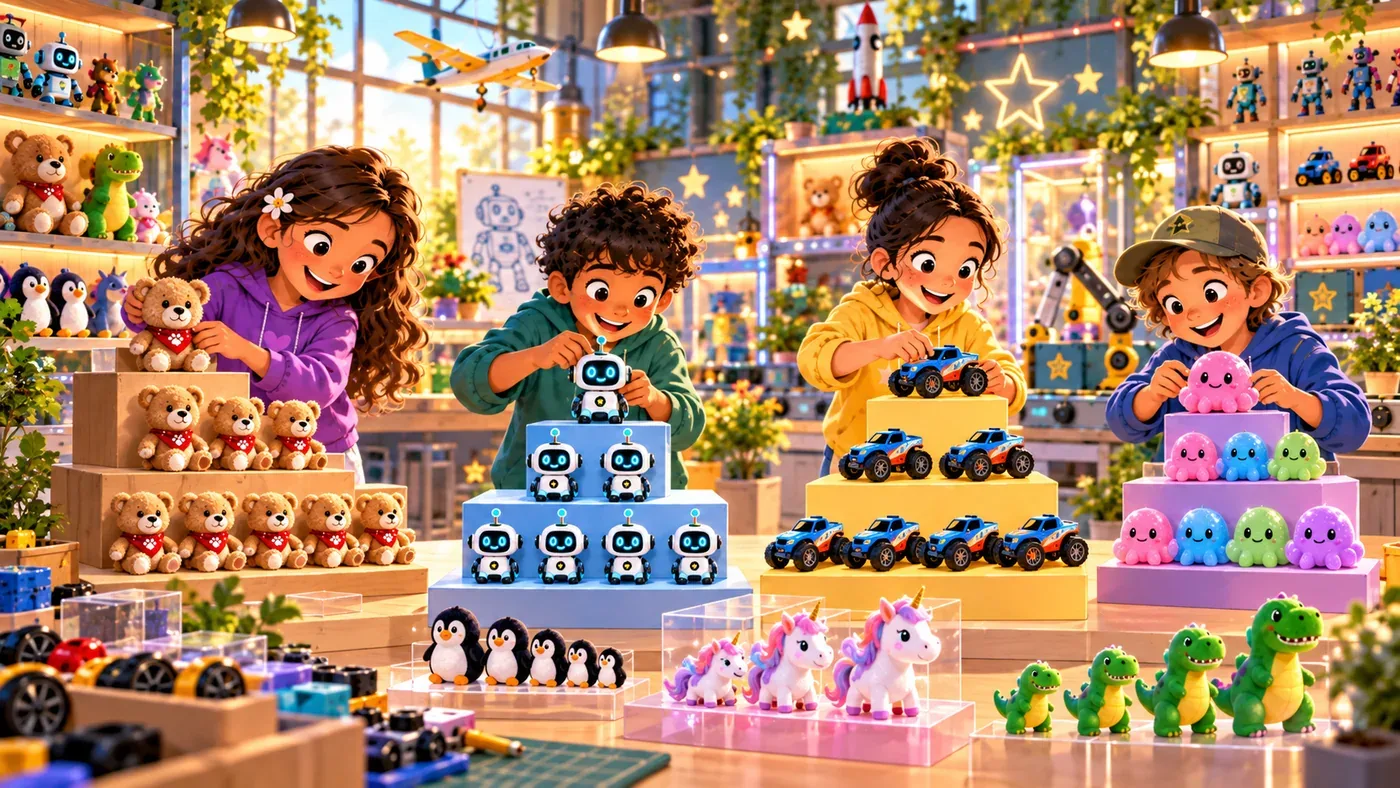
Design one fictional toy in the Toy Lab. Choose from a stuffed toy or figure, robot, vehicle toy, or squishy; customise its exact style, colour and optional decorations; then create its launch advert. Include the toy name, target audience, headline, at least one checkable fact or feature, one strong reason the audience might like it, at least three persuasive words or phrases, and a clear call to action. Persuade strongly without pretending an opinion is a fact.
A strong advert matches its language to a clear audience. It needs an attention-grabbing headline, truthful product facts or features, persuasive reasons, and a call to action. Persuasion should make the product sound appealing without making up facts that cannot be supported.
Build the prototype first. Then use your design choices to create a persuasive launch advert. Your finished toy is saved as the target prize for Toy Grabber.
Choose any way that helps. These are optional — you can always do the whole mission on screen.
This checklist helps you check your work. You do not have to tick every box to submit — the mission check looks at the work you created.
MATHS
The Toy Factory runs on patterns. Your job is to find the rule before you predict what comes next.
Continue growing number patterns, identify and explain the rule, and solve related missing-number equations.
1) A mini-car line packs 5, 10, 15, 20, ? cars. What comes next and what is the rule? 2) Squishy prototype pods grow 3, 6, 12, 24, ?. What comes next and what is the rule? 3) Four display trays hold the same number of mini toys: 4 × ? = 28. 4) Thirty-six toy parts are split into ? equal groups with 6 parts in each group: 36 ÷ ? = 6.
A PATTERN RULE tells how one term changes into the next. Some patterns grow by adding the same amount each time; others multiply, such as doubling. Test your rule on more than one step. For a missing-number equation, use the inverse operation to check the unknown.
Complete three practice production lines. First predict the next amount, then identify the rule that makes the pattern work.
Mini BotsWhat comes next?
What is the rule?
Squish PodsWhat comes next?
What is the rule?
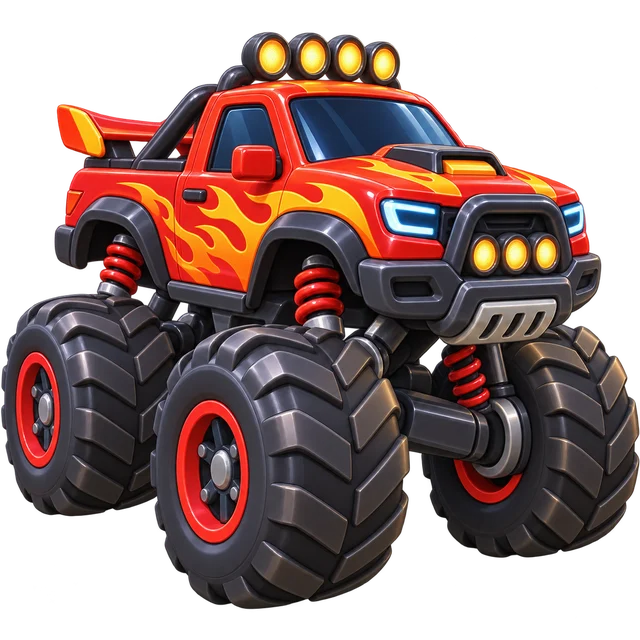 Vehicle Kits
What comes next?
What is the rule?
Read → choose a strategy → work it out → check your answer. Correct answers stay correct if another question needs another go.
MATHS
Now use the pattern rule like a Toy Lab display designer. The display must grow in a way that another person can predict.
Represent, continue and explain a growing pattern, then use its rule to predict a later stage.
The Toy Lab launch display uses 3 prototypes in Stage 1, 6 in Stage 2 and 9 in Stage 3. Build or draw Stage 4 and Stage 5, explain the rule that makes the display grow, then use the same rule to predict how many prototypes would be in Stage 10.
A growing pattern changes in the same organised way from stage to stage. If each stage adds 3 prototypes, you can continue the pattern by adding 3 again and use the same rule to predict later stages.
The launch display grows by 3 prototypes every stage. Build the target amount instead of only typing an answer.
How many prototypes should be on display?
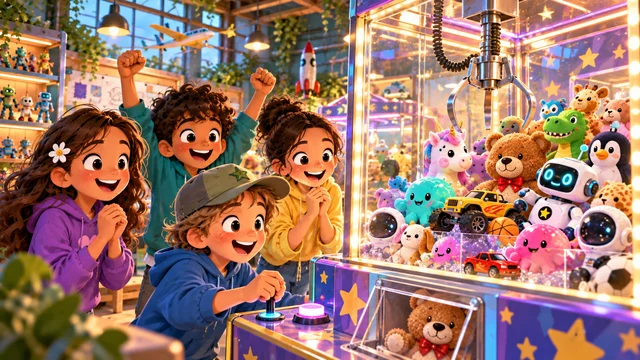
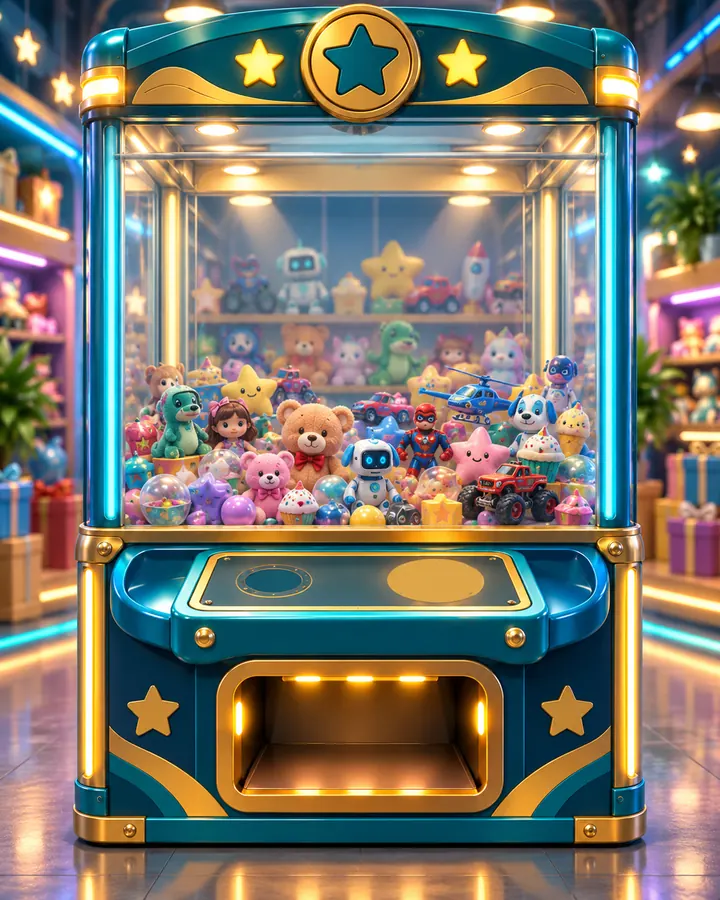
Your custom toy is now hidden inside Toy Grabber. Find the matching prize, move the claw left or right until it is lined up, then drop the claw. Win your target toy to complete the Game Break.
ICONIC ARCADE · TERM 2 · WEEK 5
Tap the left or right side of the joystick to move. Press the yellow button to drop the claw.
Click the left or right side of the joystick, then click the yellow button to drop.
Use ← and → to move. Press Space or Enter to drop the claw.
3 drops each round. Pick any prize from the list. Use PLAY AGAIN or RESET GAME whenever you want another go.
Think back over the Toy Lab missions and notice what you can now explain for yourself.
Reflect on persuasive language, audience, advertising choices and growing-pattern rules used in Toy Lab.
Choose: Mostly by myself / Some help / Another go. Then finish: 'One thing I can explain now is…' Try an example about facts, persuasive opinions, calls to action, target audience or a growing-pattern rule.
Reflection helps you recognise what you understand, where you used help and what would be useful to practise again.
There are no right or wrong answers. Choose what feels true for you.
Everyone learns differently. Choose anything that helps you. You can change these anytime.
Need something later? Tap your Homework Club buddy. Help is for everyone.